
This year marks a remarkable milestone, 25 years of environmental justice with the Global Alliance for Incinerator Alternatives (GAIA). For a quarter of a century, GAIA has stood as a global force uniting activists, communities, and organisations committed to ending waste and pollution while building just, sustainable systems rooted in Zero Waste. From Asia to Latin America, from Europe to Africa, GAIA has helped shape a generation of change makers, proving that real solutions start at the grassroots.
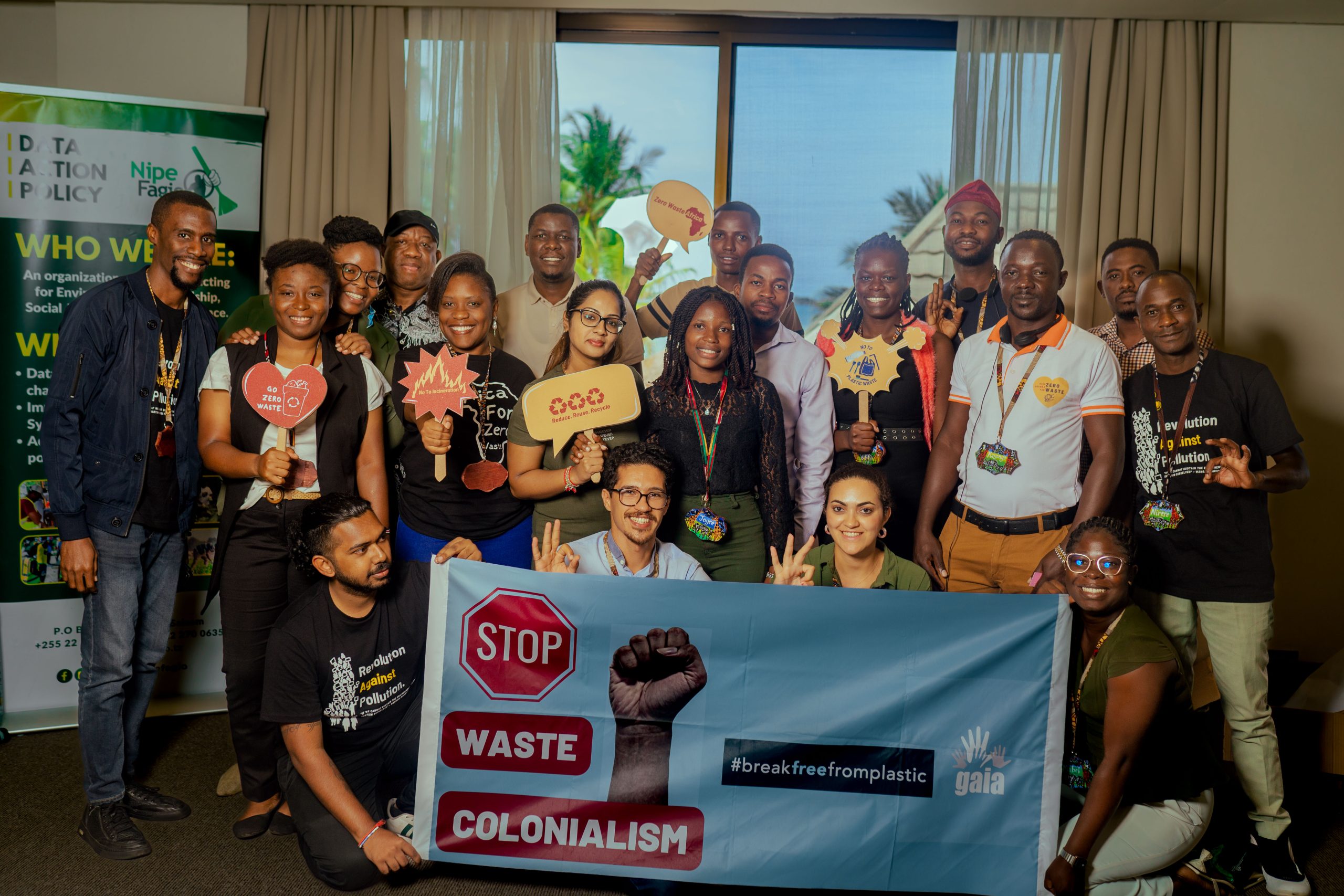
In this special anniversary podcast episode, Careen Mwakitalu, GAIA’s Africa Communications Associate, sits down with the Nipe Fagio team: Ana Rocha (Executive Director), Wilyhard Shishikaye (Zero Waste Project Coordinator), Maria Kwirine (Policy Coordinator), and Masaki Tajaeli (Data Coordinator), to reflect on their journey as part of the GAIA network and what environmental justice truly means in the Tanzanian context. As Ana Rocha puts it in the conversation, “GAIA gave us a community that believes in the power of local solutions. It showed us that what happens in Tanzania matters to the world and that justice in waste management is justice for people.”
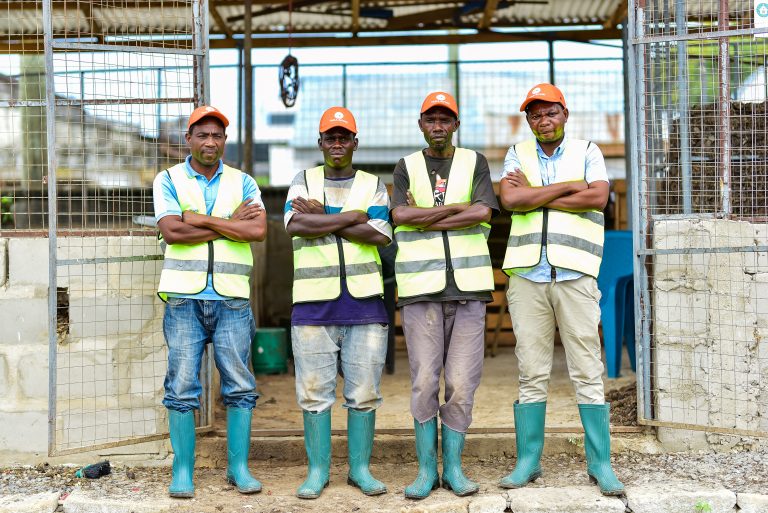
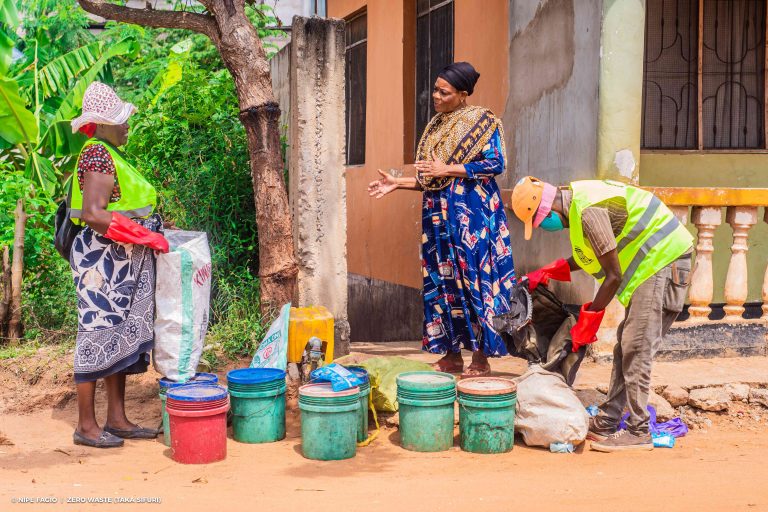
Under GAIA’s umbrella, we have launched and scaled transformative initiatives such as Zero Waste Cities, community composting models, and youth-led climate campaigns. From Dar es Salaam to Zanzibar, these projects have redefined what inclusive, systematic waste management looks like, proving that waste is not just an environmental issue, but a social justice one. We have empowered communities in areas like Chumbuni and Kijitoupele (Zanzibar) and Bonyokwa and Simu2000 Market (Dar es Salaam) to lead localised waste segregation, composting, and recycling systems. GAIA efforts through Nipe Fagio supported national and municipal policy discussions on waste, circular economy, and climate resilience. Ensuring that community members, especially women and youth, are the drivers and beneficiaries of Zero Waste systems.
Using data to expose the realities of plastic pollution and hold producers accountable through brand audits and waste characterisation studies, Masaki Tajaeli emphasised how these efforts translate into measurable change: “Through data, we’ve been able to influence policy. Through action, we’ve shown that Zero Waste is achievable. And through advocacy, we’re changing the national narrative on what waste means.” Maria Kwirine, through her policy work, said, “We see policy transformation every day, from waste collectors have are now formalised and who now have stable jobs to communities that take pride in their clean neighbourhoods adhering to bylaws. That’s the real face of Zero Waste.”
Being part of GAIA has given us access to an international platform, connecting Tanzania’s experiences with a global movement pushing back against incineration, pollution, and climate injustice. Through GAIA’s Africa network, Nipe Fagio’s work has reached other African countries, inspiring similar Zero Waste projects in places like Kenya, Nigeria, and South Africa.
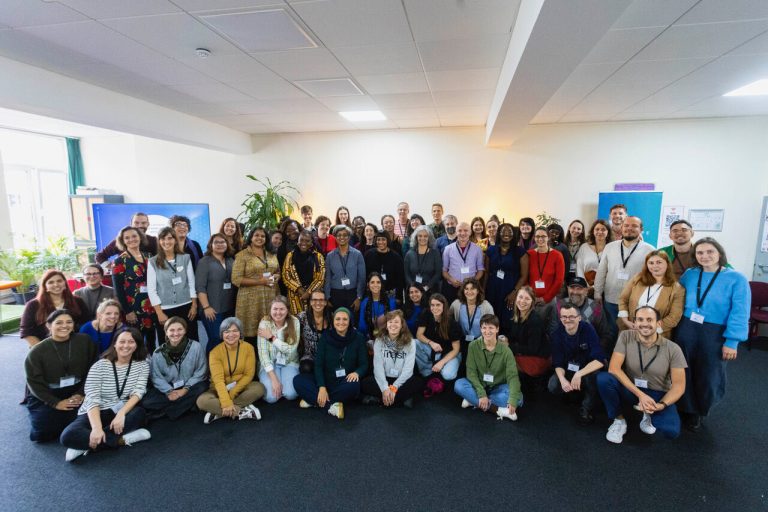
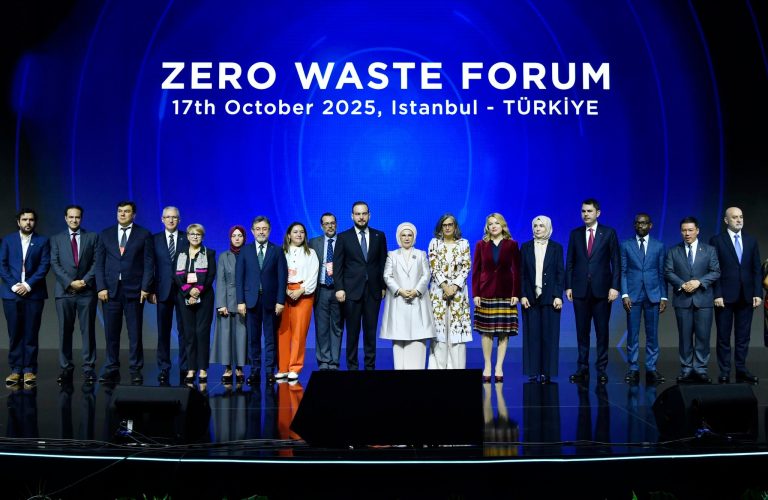
Through collaborating with GAIA, we have produced a Zero Waste documentary and hosted major events, including the Zero Waste Academies in 2023, 2024, and 2025, the GAIA Regional African Meeting in 2023, and the International Zero Waste City Conference in 2024, further amplifying the movement for environmental justice across Africa and beyond. As Ana Rocha summarises, “GAIA’s 25 years show us that solidarity works. Together, we can turn resistance into resilience and ideas into systems that work for people and the planet.” Today, GAIA is made up of over 1,000 members in over 90 countries, was a founding member of the Break Free From Plastic movement, and has made great strides in its goal of fighting pollution and building regenerative solutions in cities across the world.
The next 25 years of GAIA’s journey are about scaling proven solutions, deepening partnerships, and ensuring that the movement continues to serve those most affected by pollution and climate change. For Tanzania, that means expanding Zero Waste models to every region, turning data into national policy, and action into generational change. We continue to stand with GAIA’s enduring legacy: a world where waste is not burned, buried, or ignored, but transformed into opportunity, justice, and life.