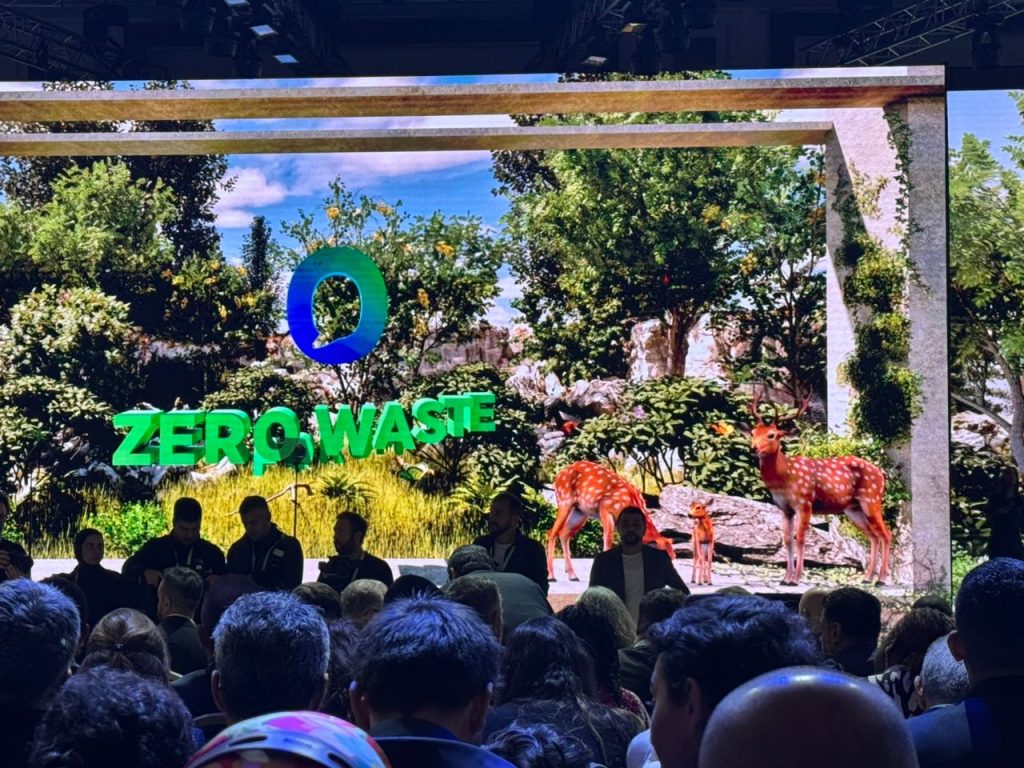

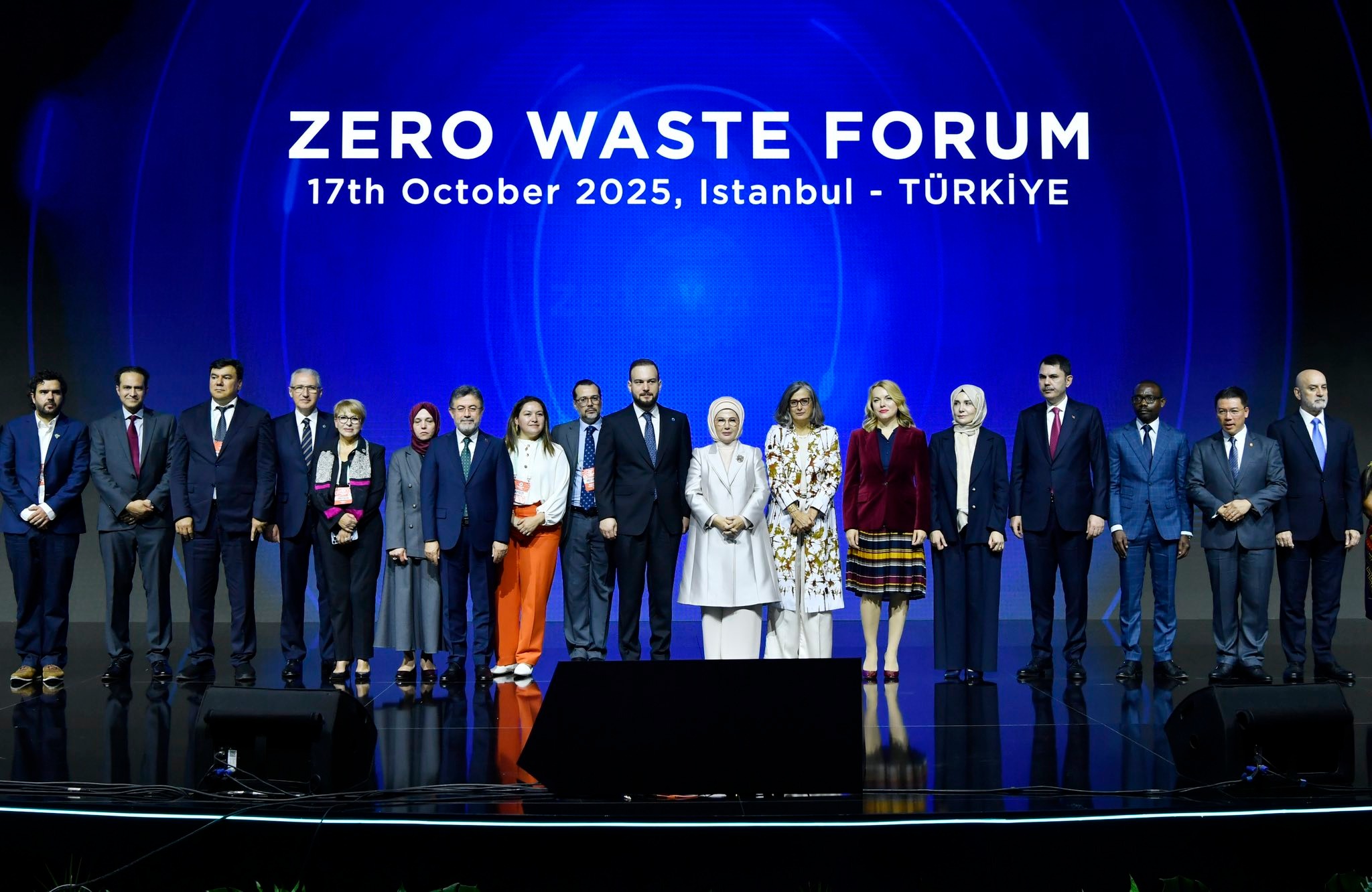
This year’s forum’s theme, “People. Places. Progress,” signaled a shift beyond treating waste as a technical problem; it’s about values, systems, culture. This month, the world came together in Istanbul under the banner of real change, not just talk. The forum was held from 17–19 October 2025, organized in cooperation with the Zero Waste Foundation and the Turkish Ministry of Environment, Urbanization, and Climate Change. The event brought together policymakers, local leaders, entrepreneurs, civil society representatives, and United Nations agencies from around the globe, from over 100 countries, to one table.
Opening the event, Her Excellency Emine Erdoğan, First Lady of Türkiye and Honorary President of the Zero Waste Foundation, set a tone rooted in tradition: she reminded us that in Anatolian households, “throwing away” was once an unfamiliar concept, that reuse and repair were once simply how life worked. One of the clear messages from Istanbul: waste generation is ballooning, and the traditional “dispose” mindset won’t cut it. At the forum, high-level participation was evident: ministers, UN agencies, and city mayors. Türkiye emphasized that zero waste is part of its broader climate and sustainability agenda. The agenda included sessions on “Policy to Practice”, “Scaling Solutions”, “Mobilizing Finance”, and “Building Alliances”.
The practical info section laid this out plainly. This zero-waste approach supports resource conservation, cuts greenhouse gases, and underpins the circular economy. For Tanzania, this resonates. We know that in cities like Dar es Salaam, organic waste is a major methane emitter. The data we collect at Nipe Fagio shows that the system-wide redesign is urgent. For Tanzania and East Africa, this means we must bring our national and local policies into alignment with global momentum.
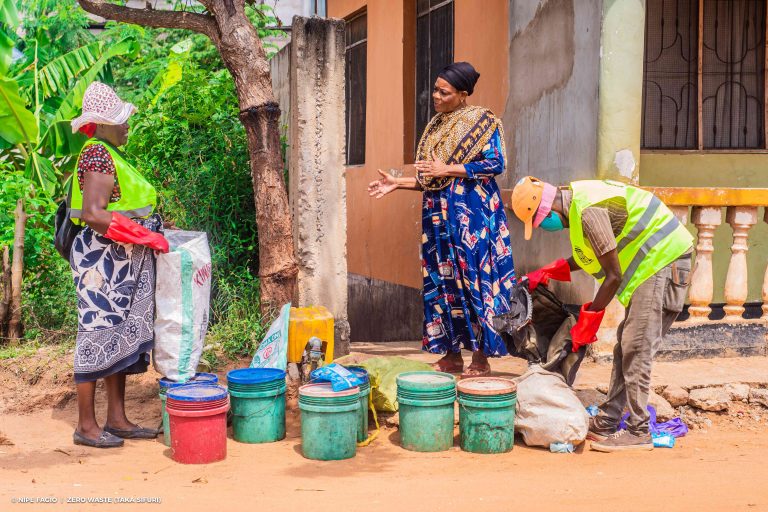
In Tanzania, we are living that reality: through our Zero Waste models in Dar es Salaam, Tanga, and Zanzibar, we are cutting methane emissions, creating green decent jobs, and building climate-resilient communities. Data from the Dar es Salaam case study show our model is proving it works. In Istanbul, we proudly stand alongside global peers, showcasing the Tanzania zero-waste cities model, not as a future dream, but as happening now. By aligning data, policy, and action, zero-waste models in Tanzania and East Africa can show this is not a “developed world” luxury. It’s urgent, systemic, and rooted in tradition. Just as Türkiye’s First Lady reminded us, “The repair-reuse ethic has deep cultural roots. We don’t burn waste. We don’t treat waste simply as a by-product. We redesign systems for justice transition and climate resilience. That’s what zero waste means. The Istanbul forum has given us a global platform and a shared declaration (the “Istanbul Declaration”) that binds us to act, not wait.”
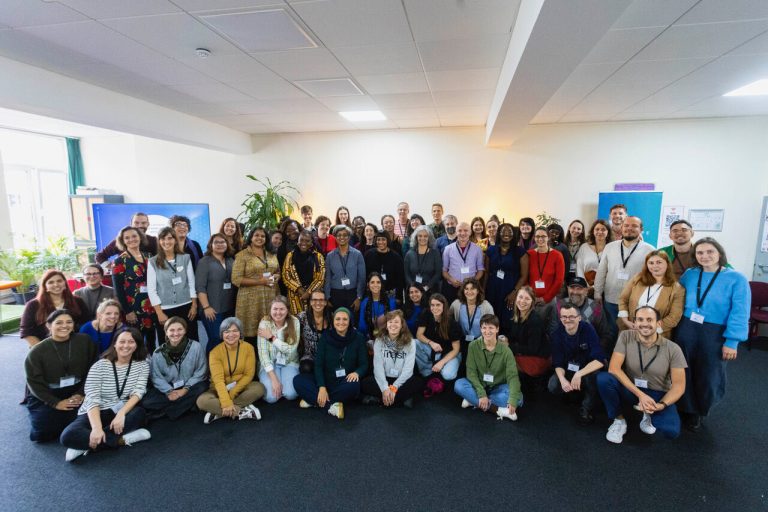
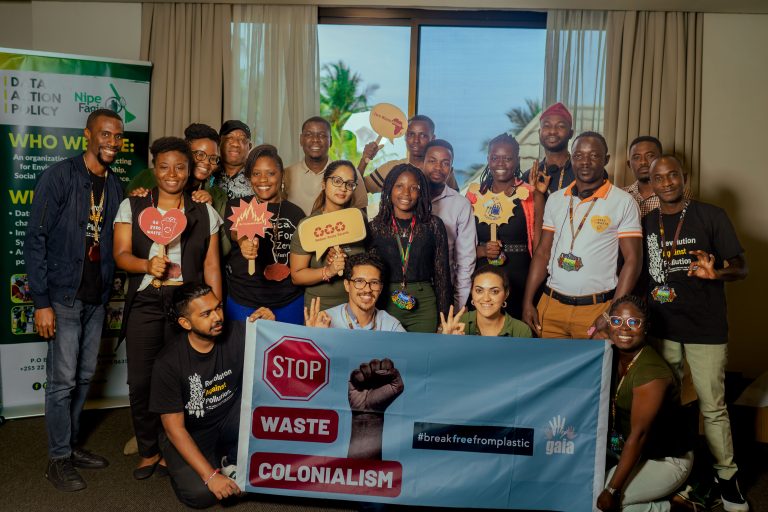
Our Zero Waste Tanzania delegation joined GAIA’s global family to amplify the voice of Africa’s growing Zero Waste movement. We brought lessons from Dar es Salaam, Tanga, and Zanzibar, where communities are already showing that community-powered systems can work. But here’s the truth: for Zero Waste to move from projects to policy, Tanzania must integrate Zero Waste principles into national frameworks, especially our Nationally Determined Contributions (NDCs) and the National Environmental Policy. This is not a side campaign; it’s a climate solution. Methane from organic waste is one of the fastest-rising greenhouse gases, and Zero Waste offers one of the fastest, most cost-effective ways to cut it. But without national commitment and institutional coordination, progress risks staying fragmented.
That means responsible bodies, like the Vice President’s Office (Environment), President’s Office – Regional Administration and Local Government (PO-RALG), The National Bureau of Statistics (NBS), Tanzania Bureau of Standards (TBS), National Environment Management Council (NEMC), and Local Government Authorities (LGAs), need to move in harmony, not isolation. The same tongue, the same direction, the same agenda, data gathering must feed national climate and waste statistics. Policy advocacy must shape enforceable frameworks on waste reduction and segregation. Action must empower communities, schools, and markets to lead implementation.
GAIA’s global network plays a powerful and unshakable role at the Global Zero Waste Forum 2025 in Istanbul, not as guests, but as the heartbeat of the movement. These are the people who’ve spent decades on the ground, from the bustling cities of India to the recycling hubs of the Philippines, from Latin America’s cooperatives to Africa’s zero-waste cities, proving that real Zero Waste solutions come from communities, not corporations.
In Istanbul, GAIA’s delegation of Zero Waste leaders brought lived experience and scientific evidence together, showing what works and what doesn’t. Their message was clear and unapologetic:
Zero Waste is not about burning trash. It’s about redesigning systems to serve people and the planet. Here’s what they have been pushing on the table.
Zero Waste without False Solutions; GAIA’s members continue to call out incineration, gasification, and other “waste-to-energy” distractions for what they are: expensive, polluting, and unjust. Instead, they showcase real solutions: composting, reuse systems, segregation at source, and community-led collection that actually reduce waste generation and emissions.
Environmental Justice and Waste Picker Inclusion: The network champions the dignity and rights of waste pickers, the unsung heroes of recycling. GAIA advocates for their formal inclusion in municipal systems, fair pay, safety, and social recognition. Because justice must be part of the zero-waste equation.
Scaling Zero Waste City Systems; From Seoul to São Paulo, from Dar es Salaam to Quezon City, GAIA’s leaders have built city-level models that work, cutting landfill use, reducing methane, creating jobs, and transforming local economies. These city case studies form the backbone of GAIA’s advocacy for global replication and support.
Financing Rapid, Equitable Methane Reduction; GAIA’s technical experts and policy teams are pushing donors and funders, development banks, and governments to channel funds into proven, scalable zero-waste systems, not false climate “offsets.” They highlight how waste prevention, composting, and recycling can deliver methane cuts faster, cheaper, and more equitably than any industrial alternative.
Ultimately, GAIA’s message was crystal clear: Real solutions are people-powered, data-driven, and climate-smart. Their decades of work at the frontlines from communities to informal recycling networks prove that a zero-waste world isn’t just possible, it’s already unfolding. And with collective will, funding, and justice at the center, it can scale across every continent, Tanzania included.