
Every day, tons of fruit peels, vegetable scraps, leftover food, and garden trimmings are discarded, often ending up in open dumps or clogged drains. These unmanaged organic wastes don’t just create foul odors or attract pests; they release methane, a potent greenhouse gas contributing to climate change. At Nipe Fagio, we see these organic materials not as waste, but as resources waiting to be transformed. Across Tanzania, we are implementing Zero Waste solutions that turn organic waste into value while addressing climate and community needs.
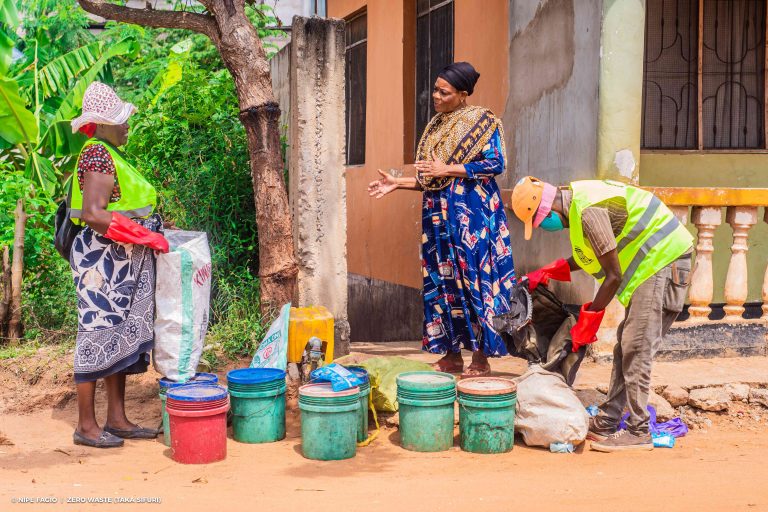
In Dar es Salaam markets, we operate local composting hubs, enabling vendors to separate their organic waste and convert it into nutrient-rich compost. At the household level, we promote waste separation and small-scale composting, ensuring that kitchens and neighborhoods contribute to the solution. In Zanzibar and Tanga, similar systems empower communities to manage their waste locally, reducing open dumping and its harmful impacts.
The link between organic waste and Zero Waste is clear: reducing, separating, and composting organics directly cuts methane emissions, creates green jobs, improves sanitation, and strengthens communities. By transforming organic waste into usable resources, we are building a model for a climate-conscious Tanzania, one that proves that Zero Waste is not just a theory, but a practical, local solution with global relevance.
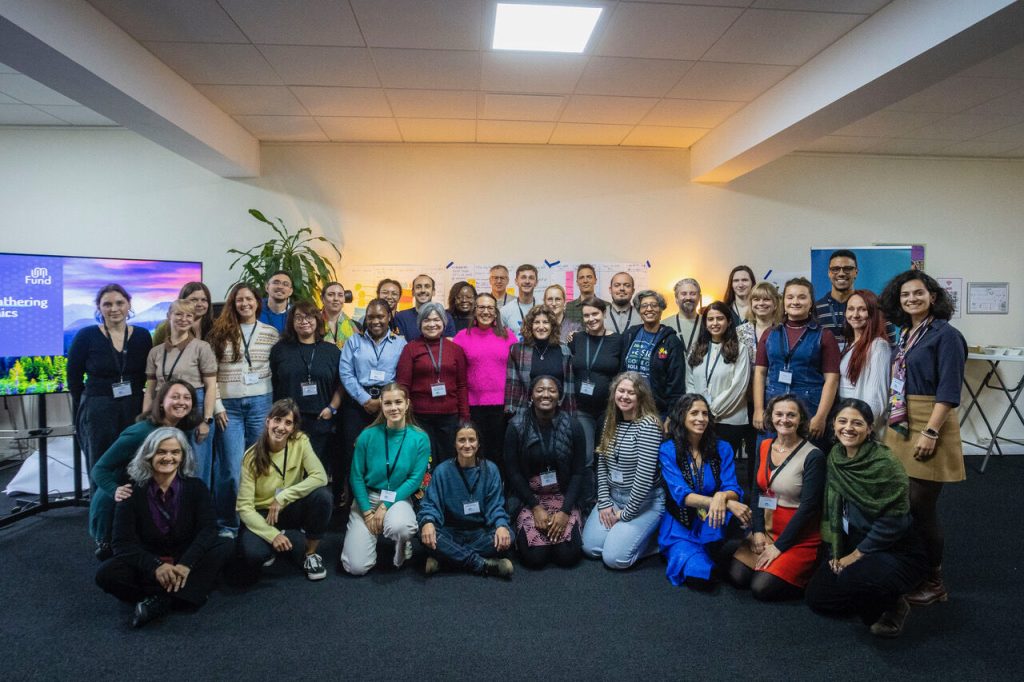
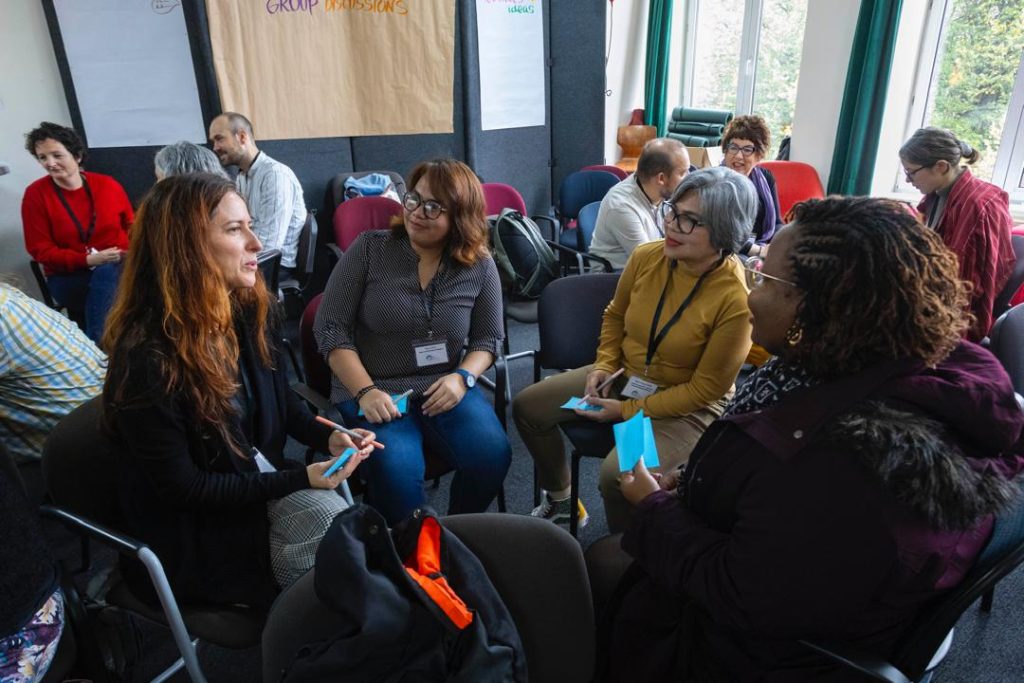
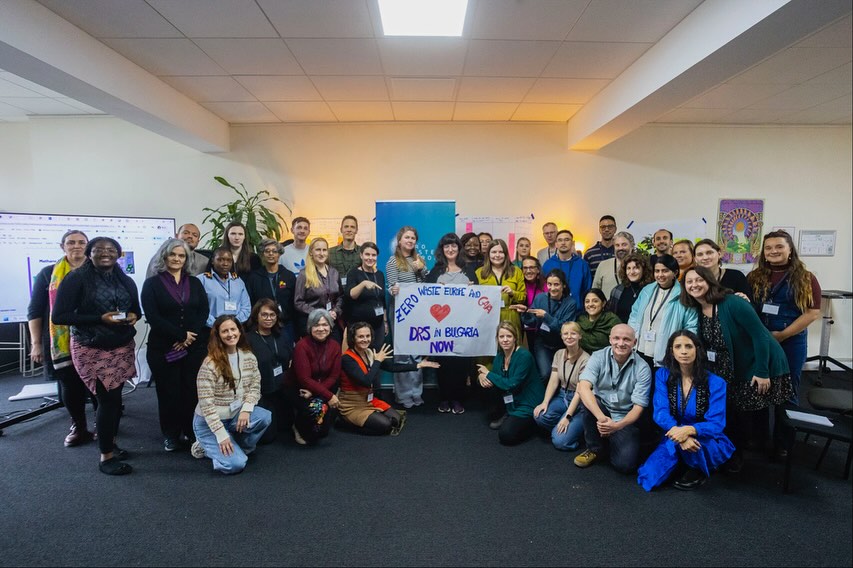
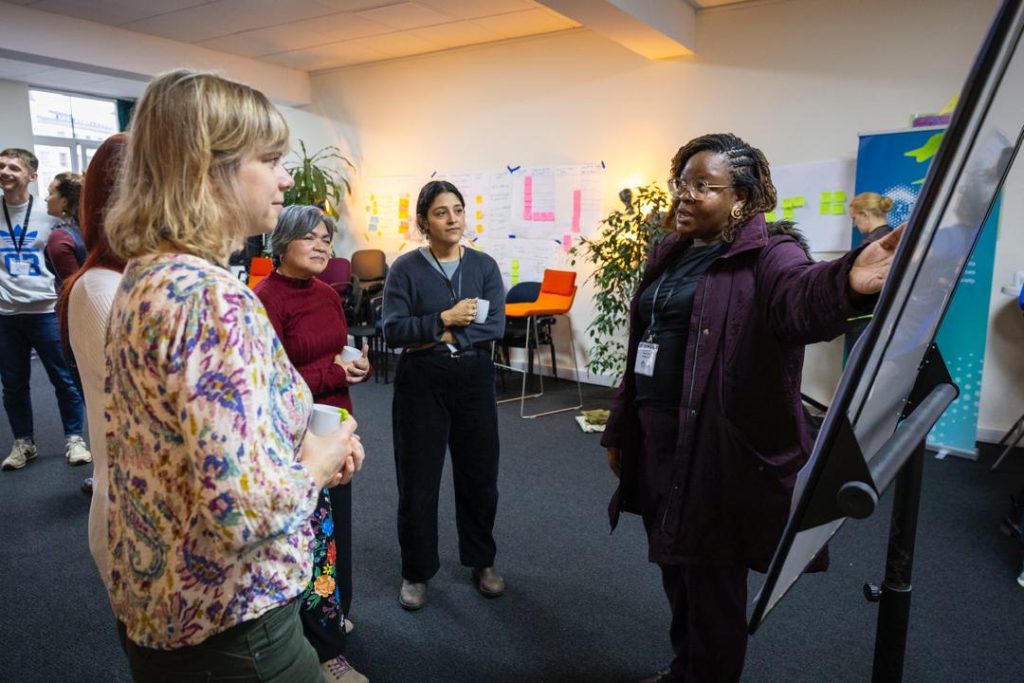
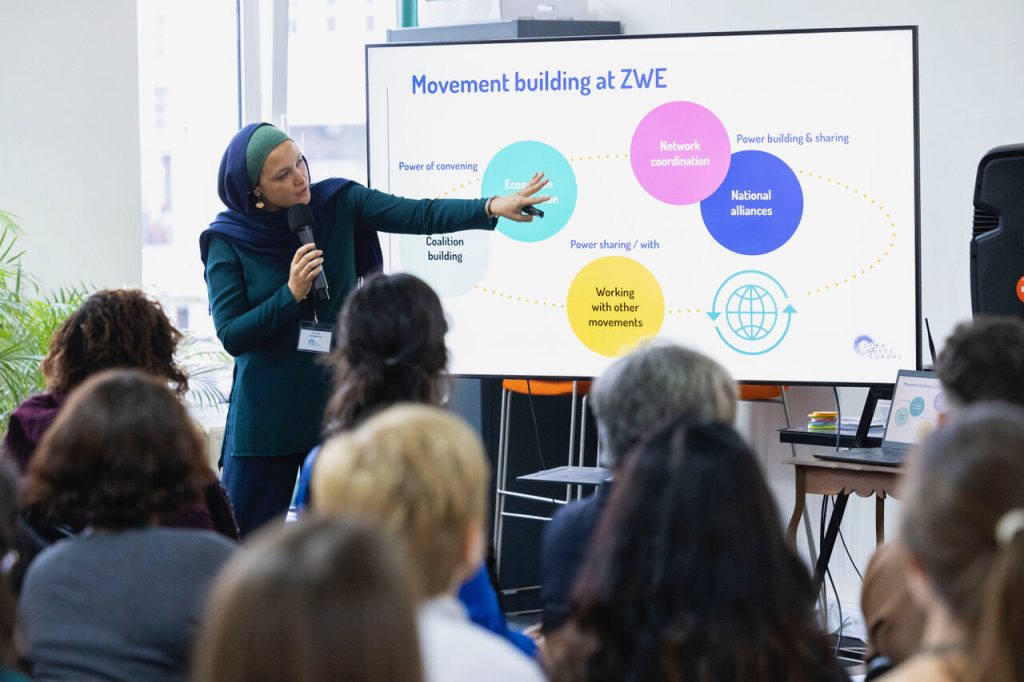
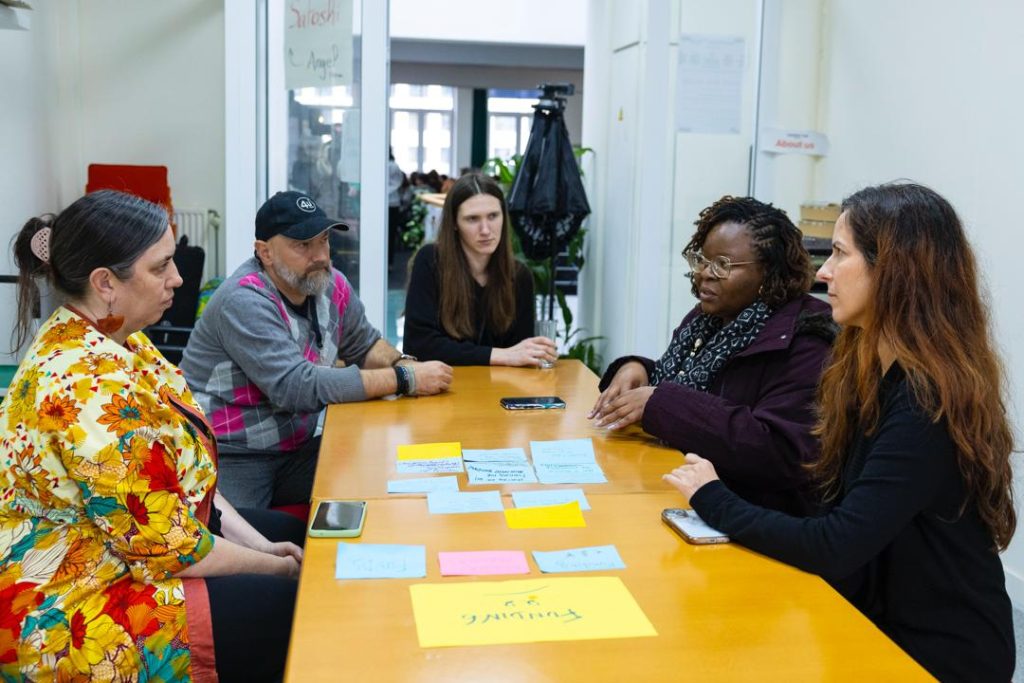
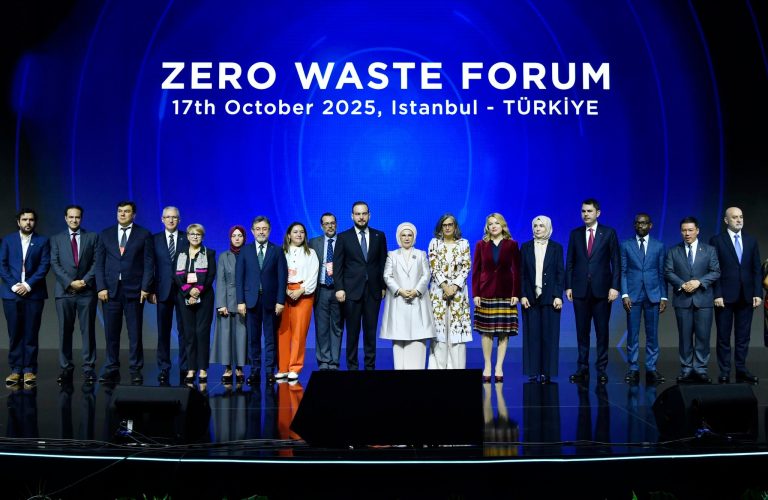
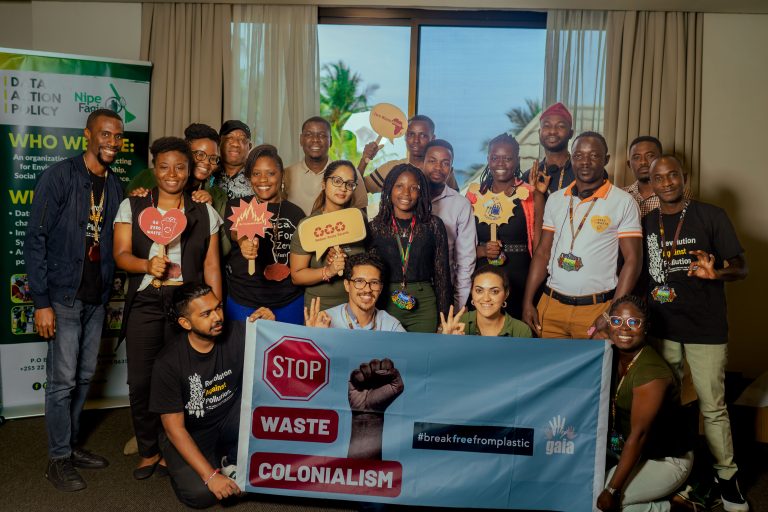
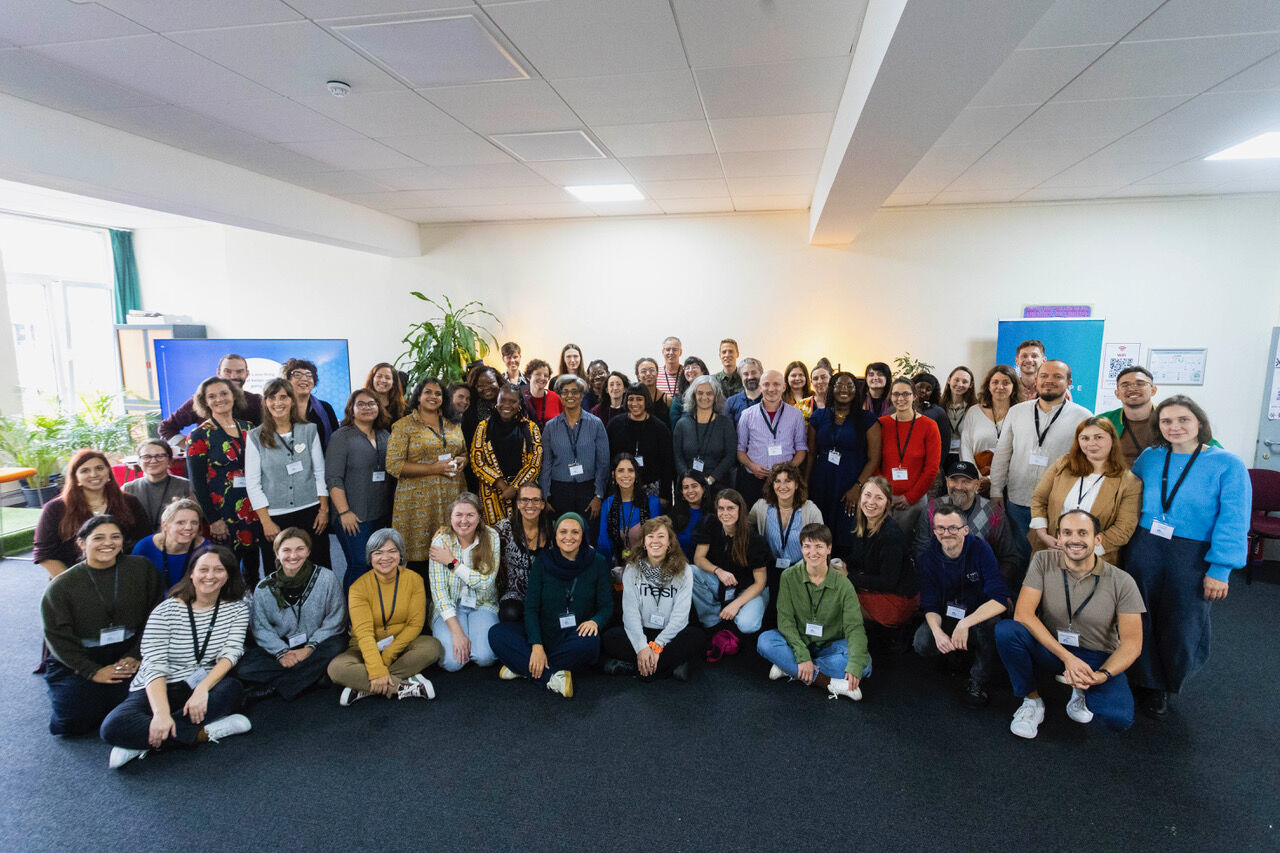
We proudly represented Tanzania at the Global Gathering on Organics in Brussels, Belgium, hosted by Zero Waste Europe. Alongside over 30 change-makers from around the world, we tackled one critical question: how can we accelerate the reduction of methane emissions from biowaste, especially in our local communities? For us in Tanzania, this question is far from theoretical. In Dar es Salaam, Tanga, and Zanzibar, we are actively reducing methane emissions by transforming how organic waste is managed.
Through data gathering, we identify and quantify organic waste sources, particularly in markets and households. Policy advocacy drives the enforcement of Zero Waste frameworks, discouraging open dumping and incentivizing composting. And through direct action, we’ve established local composting hubs, promoted household-level separation, and expanded small-scale composting systems in Dar es Salaam markets.
The impact is tangible. Properly implemented, our Zero Waste model in Bonyokwa could reduce annual methane emissions by 22,800 to 35,150 tonnes, while even partial implementation at 80% segregation would still cut 19,200 to 29,600 tonnes per year. The key, as many cities worldwide have shown, is high source separation rates for organics, a target well within reach for Tanzanian communities.
A prime example of this transformation is Simu2000 Market in Dar es Salaam’s Ubungo area. Once notorious for its overwhelming waste challenges, the market has undergone a remarkable shift towards sustainable waste management. Previously, the market was overwhelmed with organic waste, leading to unsanitary conditions and environmental degradation.
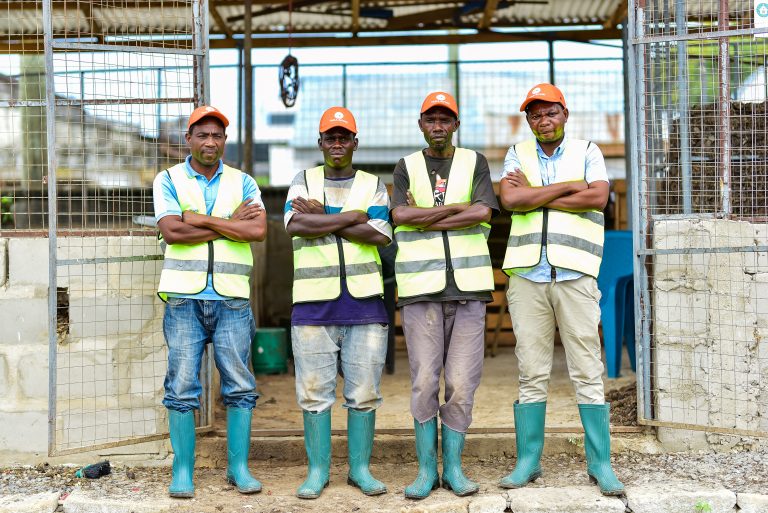
However, with the intervention of Nipe Fagio, the market has embraced a Zero Waste approach. Waste collectors, trained by Nipe Fagio, now separate fruit peels, vegetable leftovers, and food scraps at designated collection points. Vendors have adopted practices such as composting and waste segregation, significantly reducing the volume of waste sent to landfills.
This initiative has not only improved the cleanliness and hygiene of Simu2000 Market but has also empowered local vendors and waste collectors with the knowledge and tools to manage waste sustainably. The success of Simu2000 Market serves as a model for other markets in Tanzania, demonstrating that with the right support and community involvement, significant progress can be made in waste management. This transformation at Simu2000 was made possible through the generous support of the UMI Fund, the partnership of Ubungo Municipal Council, and the dedication of market vendors, leaders, and waste collectors.
The Brussels gathering was more than just a conference; it was a cross-continental exchange of knowledge, experiences, and inspiration. We learned from innovative Zero Waste initiatives across Europe, Asia, and Africa, including partners like Zero Waste Asia, Groundwork (SA), Instituto Polis, and Gayo Ghana. These examples serve as role models, informing how we implement community-driven models in Tanzania.
Sessions on finance flows and climate financing for methane mitigation, presented by Climate Policy and Catalytic Finance Foundation, were particularly enlightening. Scaling solutions to cut methane, create jobs, and advance climate justice requires both local action and international support. As Marisa Nordstrom from the UMI Fund so puts it, these global conversations help communities strengthen their local work because “Real transformation starts with people, dialogue, and shared purpose.” She added, “It’s going to make it easier when we go back home to share tools and resources, even ideas with each other—what if somebody has a question and now they may feel more comfortable contacting somebody in Italy as a soil scientist?”
The Global Gathering brought together over 70 change makers from 24 countries, uniting under the shared vision of a Zero Waste world. For Nipe Fagio, the experience reinforced our three-pillar approach: turning data into action, policy into progress, and waste into value. A highlight was exploring the Blueprint for Movement Building, a living manual capturing lessons from Zero Waste movements across Europe, developed with allies from Bulgaria, Cyprus, Germany, Spain, and Ukraine, funded by the UMI Fund.
It reminded us that lasting change is built through learning, connecting, and adapting together. Back home, this knowledge is already informing our work in Dar es Salaam, Tanga, and Zanzibar. From establishing composting hubs to promoting household separation, we are proving that community-driven Zero Waste models can cut methane emissions, create green jobs, improve sanitation, and advance Tanzania’s climate commitments.
Ultimately, together with GAIA, Zero Waste Europe, and numerous partners, we are turning knowledge into action, policies into progress, and waste into value. From the markets of Dar es Salaam to the communities of Zanzibar, we are proud to show that real change is possible when data, policy, and action align. Maria Kwirine, our Policy Coordinator, concluded, “Community power, bold alliances, and cross-border collaboration are rethinking waste systems for a fairer, more just world.”