World Cleanup Day (WCD), a UN-recognized International Day led by Let’s Do It World (LDIW), saw millions of people across 211 countries take to the streets, beaches, and riversides for collective action. This year’s global theme, “Strive for Five,” carried an ambitious goal: to mobilize 5% of the world’s population, a tipping point proven to spark lasting social change. It’s not just about picking up waste; it’s about awakening civic responsibility, building data-driven advocacy, and demanding systemic reform in how we manage our waste. Globally, Let’s Do It World recorded an impressive track record from 2017 to 2024 — 114 million participants from 211 countries joined the movement. The impact rippled across continents. Similarly, Let’s Do It Tanzania 2024, led by Nipe Fagio and partners, involved 11,919 volunteers in 23 sites, removing 83,469.23 kg of waste over an area covering 70.35 km².
Since 2018, Nipe Fagio has proudly led Let’s Do It Tanzania, engaging thousands of volunteers, schools, municipalities, and organizations in cleanups, awareness campaigns, and Waste Assessment and Brand Audits (WABA). Through these audits, waste is not just collected, it’s studied, categorized, and traced back to producers. This approach ensures that cleanup efforts feed directly into data and policy advocacy, reinforcing our three-pillar strategy: Data, Policy, and Action.
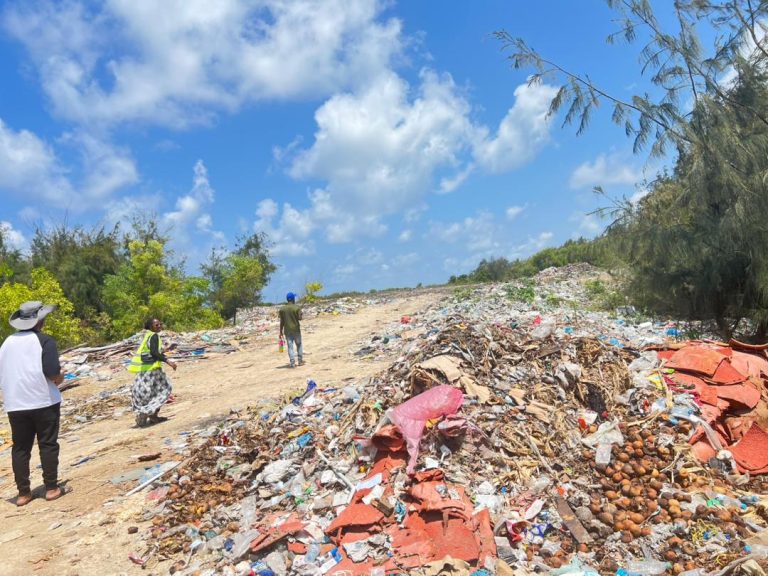
In past years, we coordinated with over 400 organizations across Tanzania, mobilizing 83,690 participants in more than 500 cleanup sites nationwide. Our teams have assessed over 350,000 units of waste, counting 1,008,334 kg collected. The findings are striking 75% of all waste found in public spaces is locally produced. This tells us that the solution lies right here at home, through strong national regulations and community behavior change in consumption and waste handling.
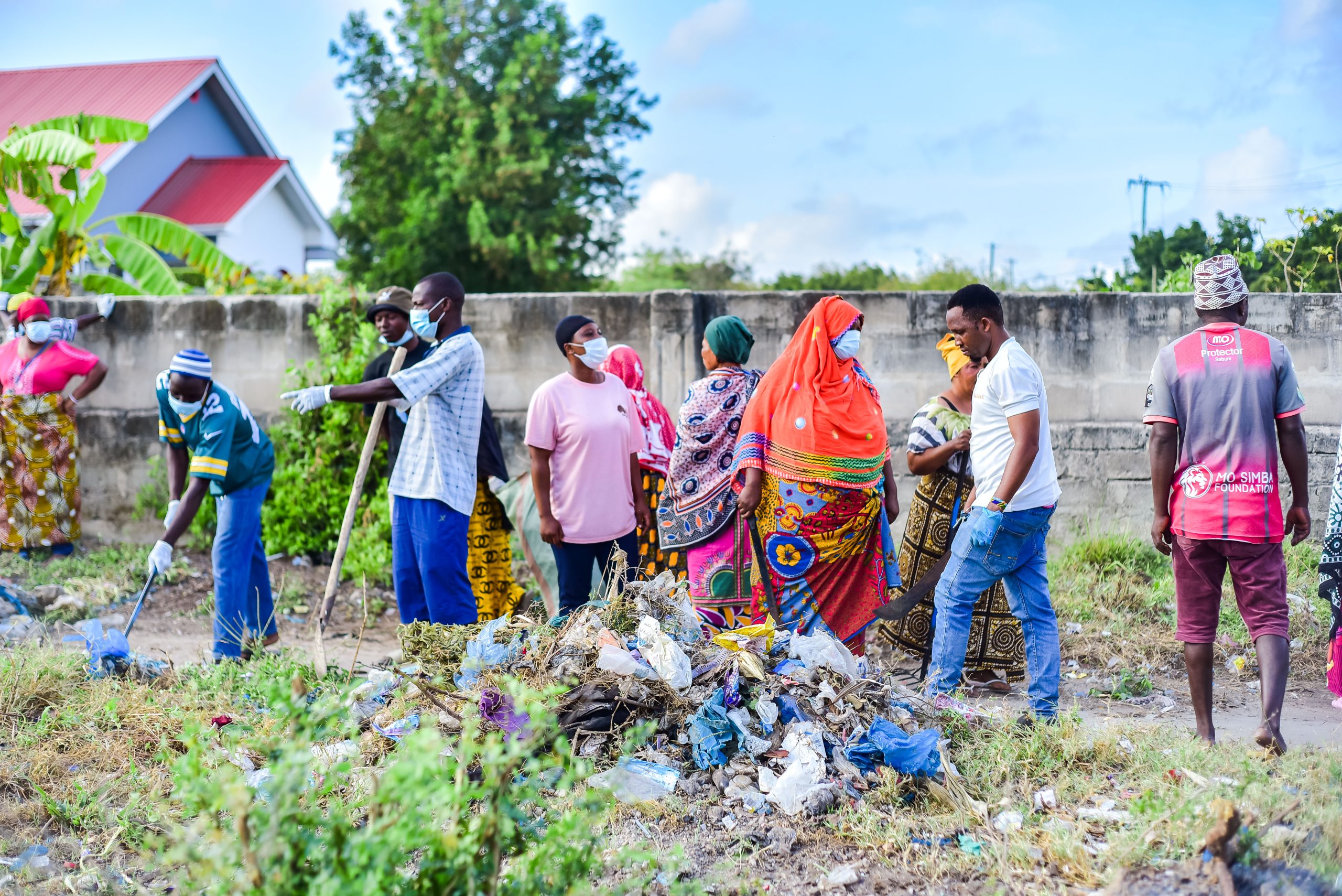
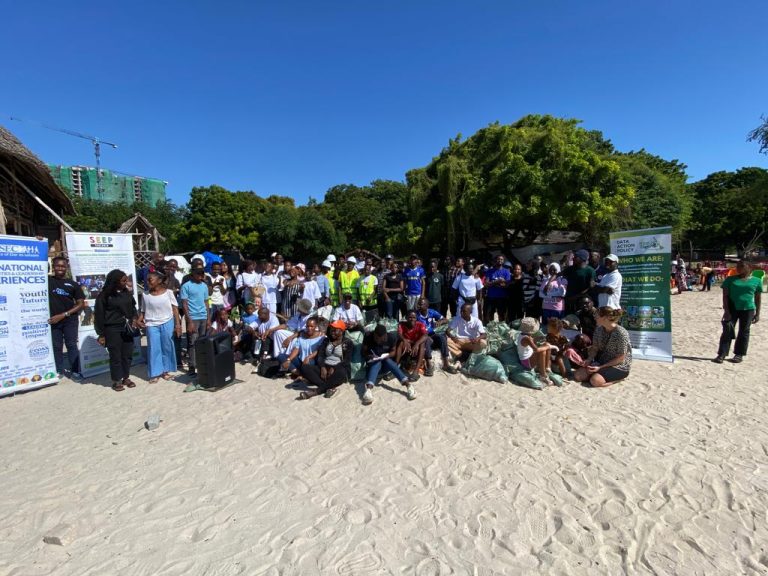
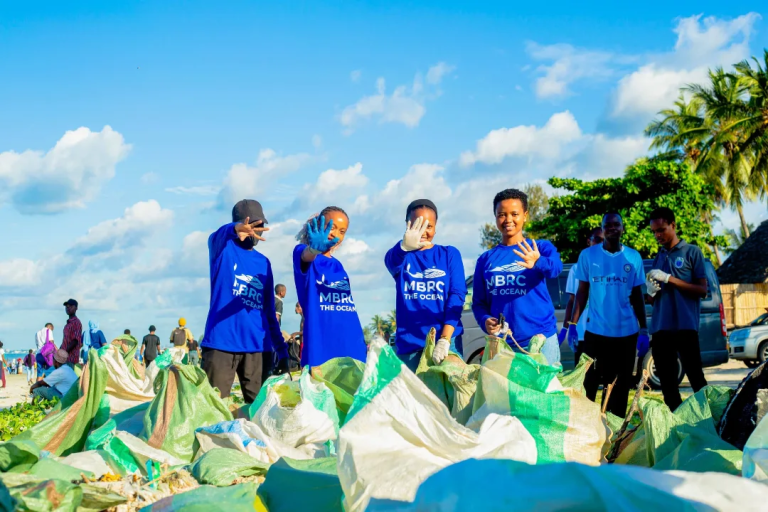
This year, World Cleanup Day 2025 brought together 12,975 participants across 21 registered cleanup sites in 10 regions of Tanzania. Among them were 7,310 women and 5,665 men. Having more than 227 children is proof that the zero-waste movement is multi-generational and inclusive. Together, participants collected 14,550 bags of waste weighing 86.73 tons. But, as we often say, the cleanup is only half the story. The real work begins after we trace where the waste came from, identify the brands, and push for accountability through data-backed advocacy. This is what transforms action into systemic change.
These numbers are not just statistics. They are stories of collaboration, civic pride, and determination to protect our environment. Every bag of trash collected during WCD feeds into a much bigger system of change. By using the Break Free from Plastic Brand Audit Toolkit, we transform waste data into evidence for policy advocacy. This evidence supports the push for stronger waste management laws, producer responsibility regulations, and zero-waste models that are already showing results in several Tanzanian communities like Mbweni, Bonyokwa, Chumbuni, and Kijitoupele. Our message remains firm: Tanzania can solve 75% of its waste problem through national effort, by strengthening policies, empowering local governments, and embedding behavioral change within our communities.
None of this would be possible without the incredible partners, coordinators, schools, and organizations that have joined hands with us over the years. Their consistent effort to host and organize local cleanups keeps the movement alive. To every volunteer who showed up with gloves and a spirit of change, asante sana. You’ve proven that collective action works, and that data-driven community engagement is the future of waste management in Tanzania.
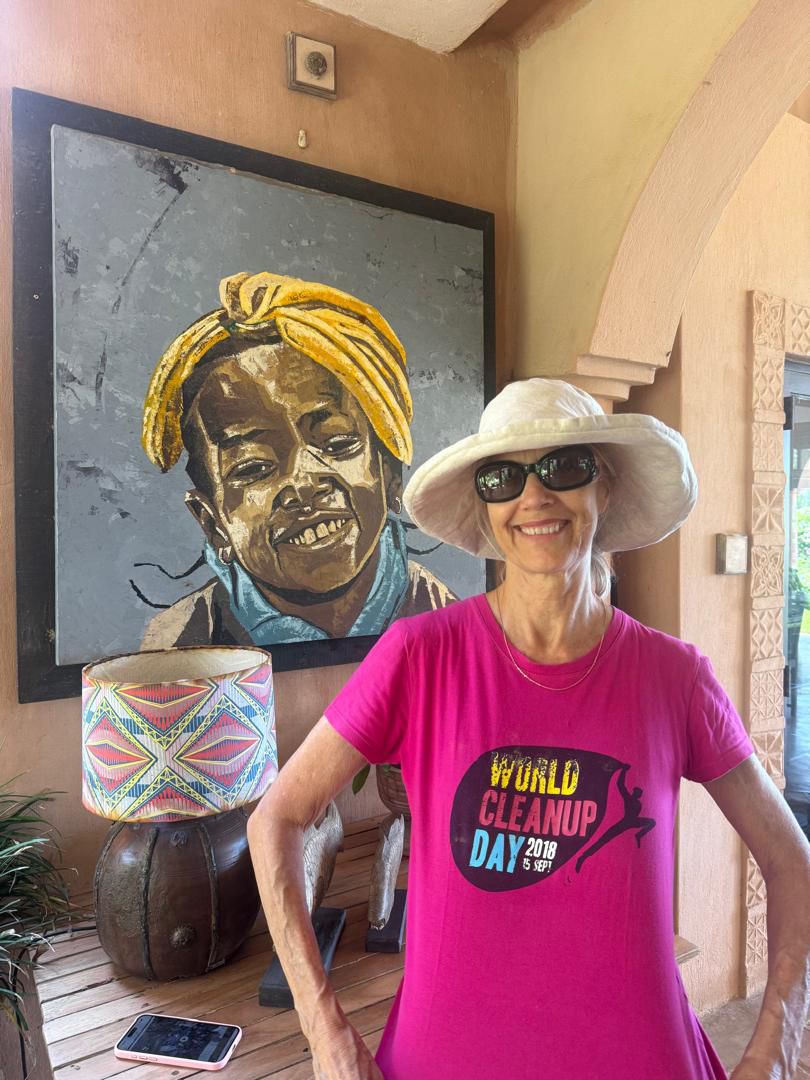
“Now in its 7th year, I am overjoyed and grateful to see how World Cleanup Day Global and Let’s Do It Tanzania campaign have been embraced by people and municipalities across Tanzania. This ever-growing wave of community action and data collection from the waste audits highlights the ongoing challenges of waste management, plastics, single-use packaging, and collection. However, witnessing the growing popularity of Nipe Fagio Zero Waste Community initiatives, adopted by more and more subwards, wards, municipalities, regions, and countries at large, gives me renewed hope that we can find systemic solutions to these challenges. Congratulations to Nipe Fagio and all their partners and supporters, and everyone who turned up to make a difference, this World Cleanup Day!” — Tania Hamilton
As we close this year’s campaign, our eyes are already on World Cleanup Day 2026. The bar is set higher. We’re not just cleaning, we’re changing systems, influencing policies, and building data-driven communities that know how to manage what they consume.