
Zanzibar’s pristine coastlines, renowned for their natural beauty and vibrant marine ecosystems, are increasingly threatened by marine litter and plastic pollution. Recent assessments highlight the alarming extent of this issue, with significant implications for the environment, economy, and public health. Studies indicate that plastic waste constitutes a substantial portion of the litter found along Zanzibar’s beaches. For instance, a study surveying four coastal tourism sites revealed that plastics accounted for nearly half (48.5%) of the waste inflow, with single-use packaging being the dominant item. These plastics primarily originate from land-based sources, including tourism activities, residential areas, and inadequate waste management practices.
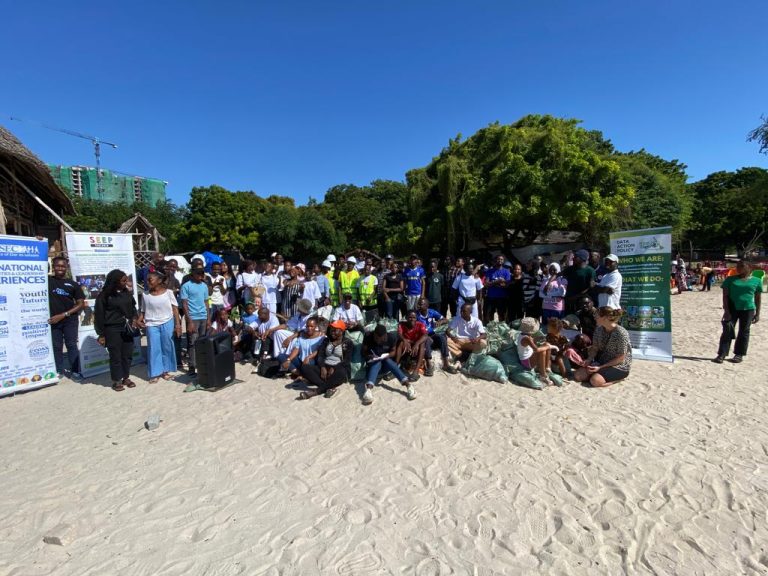
The accumulation of plastic debris poses severe threats to marine life, as animals ingest or become entangled in the waste, leading to injury or death. Furthermore, the presence of litter on beaches diminishes the aesthetic value of these areas, deterring tourists and impacting the local economy. A World Bank study estimated that in 2019, marine plastic pollution cost Zanzibar approximately $13.7 million, primarily due to its adverse effects on tourism. We have launched a powerful Capacity-Building Training with our dedicated Youth Ambassadors to equip them with practical skills to collect, analyze, and act on data about marine litter and plastic pollution. This is not just another training; it’s the start of our journey to strengthen coastal resilience through Marine Litter Monitoring and Circular Plastic Management across Dar es Salaam, Pemba, and Unguja.
Plastic pollution doesn’t just choke marine life; it erodes livelihoods, damages tourism, and fuels climate change. By grounding our work in real data, we’re exposing the truth: the coastlines of Zanzibar are at a tipping point. But we’re also proving that with the right partnerships, evidence, and commitment, change is absolutely possible. Our Marine Litter Monitoring Program (MLM) has already begun in Unguja and Pemba. Through coordinated surveys, Socio-Economic Profiling, and Circular Economy Engagement, we’re working hand in hand with communities, waste collectors, and value chain actors to understand the full plastic story, from production to disposal.
We’re using community-driven methods like focus groups, surveys, and participatory activities such as WABA (Waste Assessment and Brand Audits) to co-create solutions. Together, we are mapping plastic flows, identifying leakage points, and even tracking greenhouse gas (GHG) emissions from waste. This is how we build systemic solutions, not just cleanups, but transformations in how communities handle and value waste. The Government of Pemba has officially requested Nipe Fagio’s collaboration to expand awareness and education on solid waste and environmental management. That’s a major breakthrough for scaling zero-waste practices and boosting coastal resilience against plastic pollution across Zanzibar’s islands.
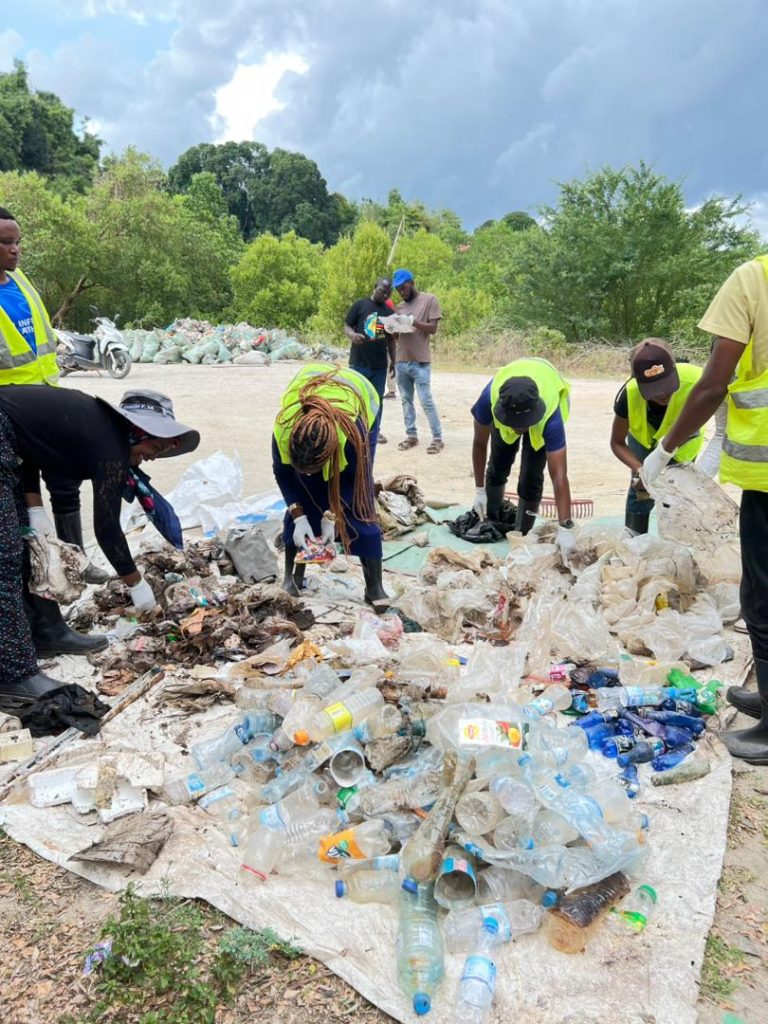
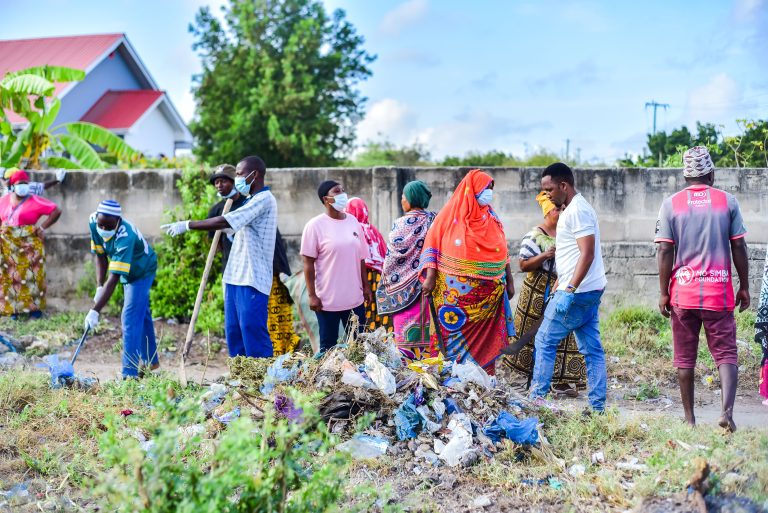
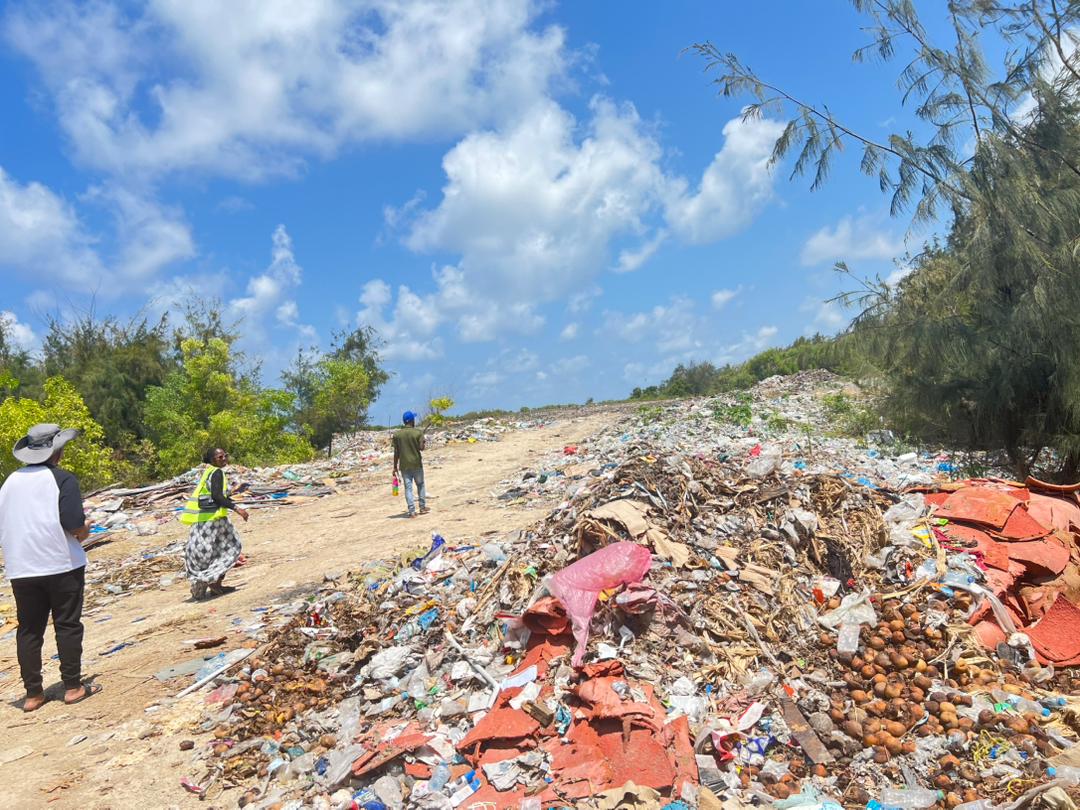
Our data collection has exposed the full picture of marine pollution: plastic waste piling up on beaches, mangroves, rivers, bushes, streets, and drainage systems. Plastic bags, packaging materials, and bottles remain the dominant culprits. But this isn’t just about counting plastic. It’s about understanding who is producing it, where it goes, and how it escapes the system. This kind of data empowers us to push for stronger policy interventions, hold producers accountable, and design local solutions that actually work, like zero-waste markets and decentralized waste management systems.
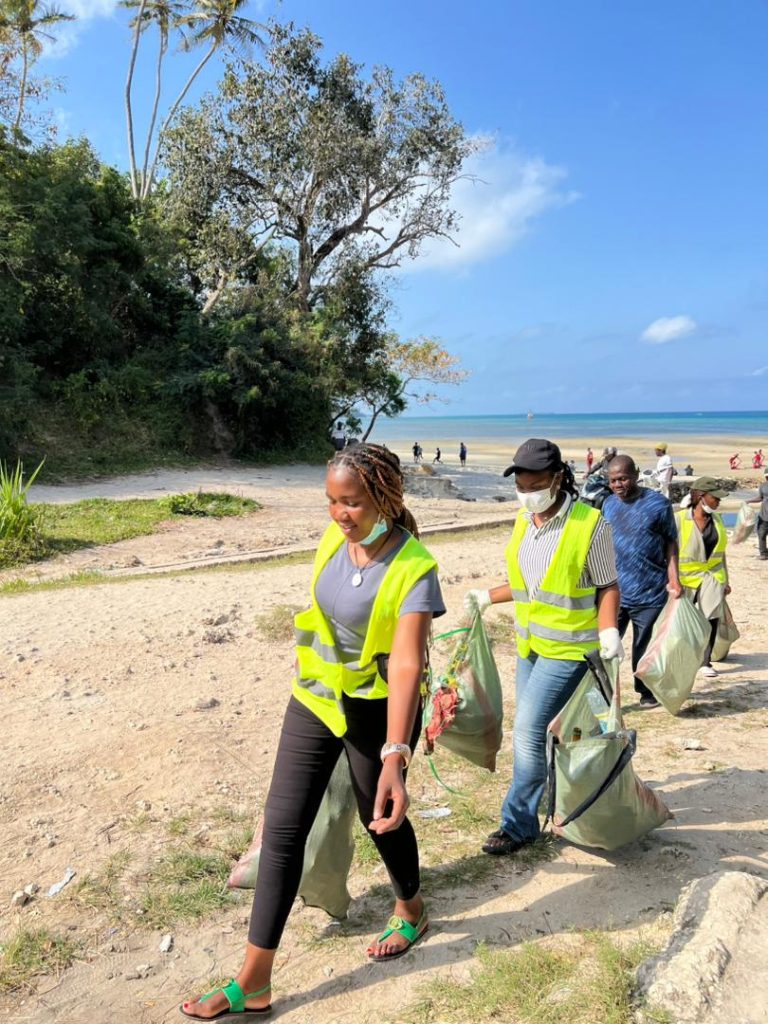
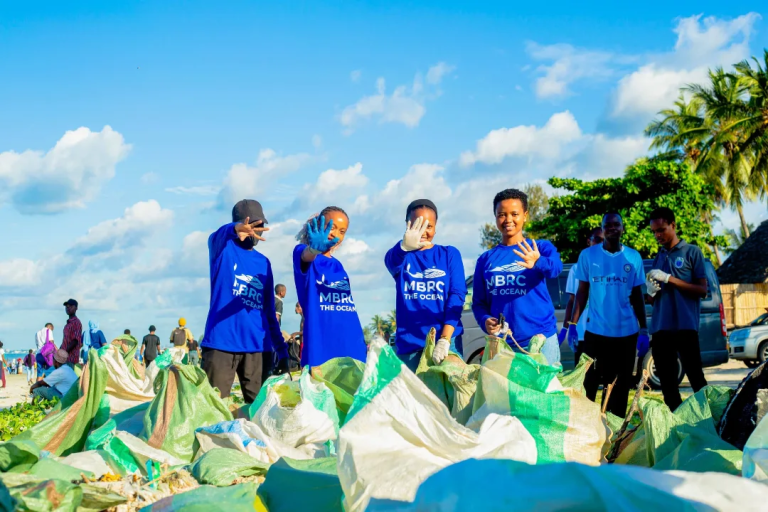
At Kizingo Beach in Western Unguja Region, our Youth Ambassadors collected 434 kg of waste in one cleanup, mostly items found were plastic bottles, ropes, nets, and nylons. These items don’t just litter the sand; they suffocate marine life and weaken coastal resilience. This cleanup was part of our data collection effort, and the evidence gathered is being used to advocate for stronger marine waste regulations and plastic management systems. Meanwhile, at Tibirizi Mangrove Site in Chake Chake, Pemba, our team removed a staggering 1,264 kg of plastic waste from mangrove ecosystems. The top pollutants were white and colored plastic bottles, diapers, bags, and textiles, a visible link between consumer habits and ecosystem destruction. But the story doesn’t end there.
By removing 1.2 tonnes of plastic, we’ve prevented approximately 2-3 tonnes of CO₂-equivalent emissions and stopped methane leaks from unmanaged waste decay. Every kilogram we remove is climate action in motion, helping mangroves breathe again and shielding Zanzibar’s blue economy. Plastic waste doesn’t come from nowhere. We’ve been mapping how hotels, markets, transport hubs, schools, farmers, public offices, and religious institutions generate and handle their waste. Each sector has a different waste stream and influence. For instance, hotels need plastic reduction strategies, while farmers benefit from composting initiatives.
By understanding habits and behaviors, we can push for policy reforms and targeted incentives that fit Zanzibar’s real context, not imported solutions that don’t stick. This is how circular plastic management becomes a living system; by connecting data with people and local action. Our youth ambassadors have engaged directly with communities, businesses, and local governments. Their work builds local ownership, because when people understand the problem, they become part of the solution. The numbers tell a hard truth. According to the Zanzibar Environment Management Authority (ZEMA), the islands generate roughly 200 tonnes of solid waste daily, but only 45% reaches dumpsites. The rest ends up in open spaces, rivers, or the ocean. Around 80% of this waste is organic, showing massive potential for composting and circular solutions, if systems are in place.
The Zanzibar Commission for Tourism (ZCT) recently launched a Waste Management Program as part of its Greener Zanzibar and Sustainable Tourism campaign. Starting July 1, 2025, it mandates waste segregation at source, licensed waste collection, and staff training in environmental best practices. This is the kind of policy shift we’ve been pushing for, a practical, accountable system that aligns with our zero-waste advocacy.
Marine Litter Monitoring and Circular Plastic Management are not side projects; they’re the backbone of coastal resilience. Zanzibar’s story is changing, from plastic pollution to circular innovation, from coastal degradation to resilience. Clean coasts mean stronger communities. Strong communities mean lasting resilience. And lasting resilience means hope, for our oceans, our people, and our planet.