
What was once dismissed as “trash” is now being redefined as a resource that creates jobs, reduces pollution, and protects the environment. The Zero Waste model is more than just a waste management strategy; it is a systems change strategy built on data gathering, policy advocacy, and community action. The approach recognizes that every ward, every community, and every household generates and manages waste differently, and that is where the real change begins.
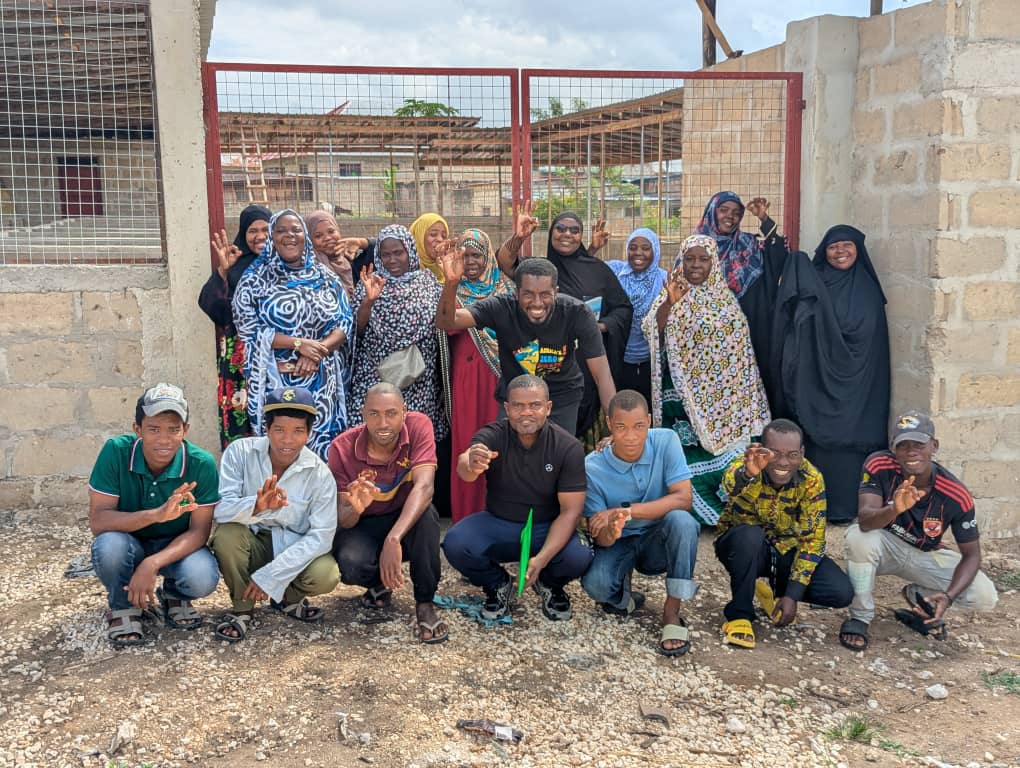
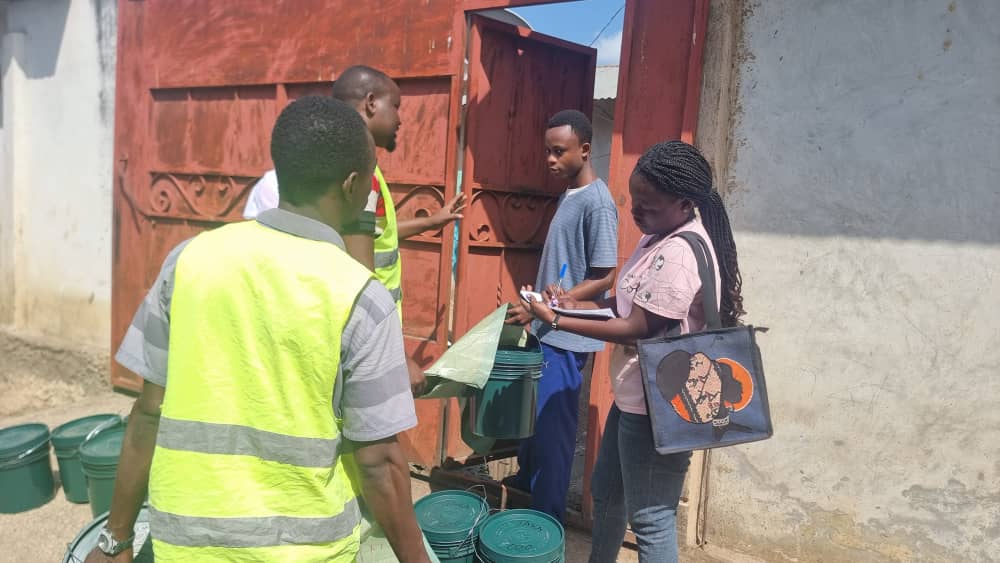
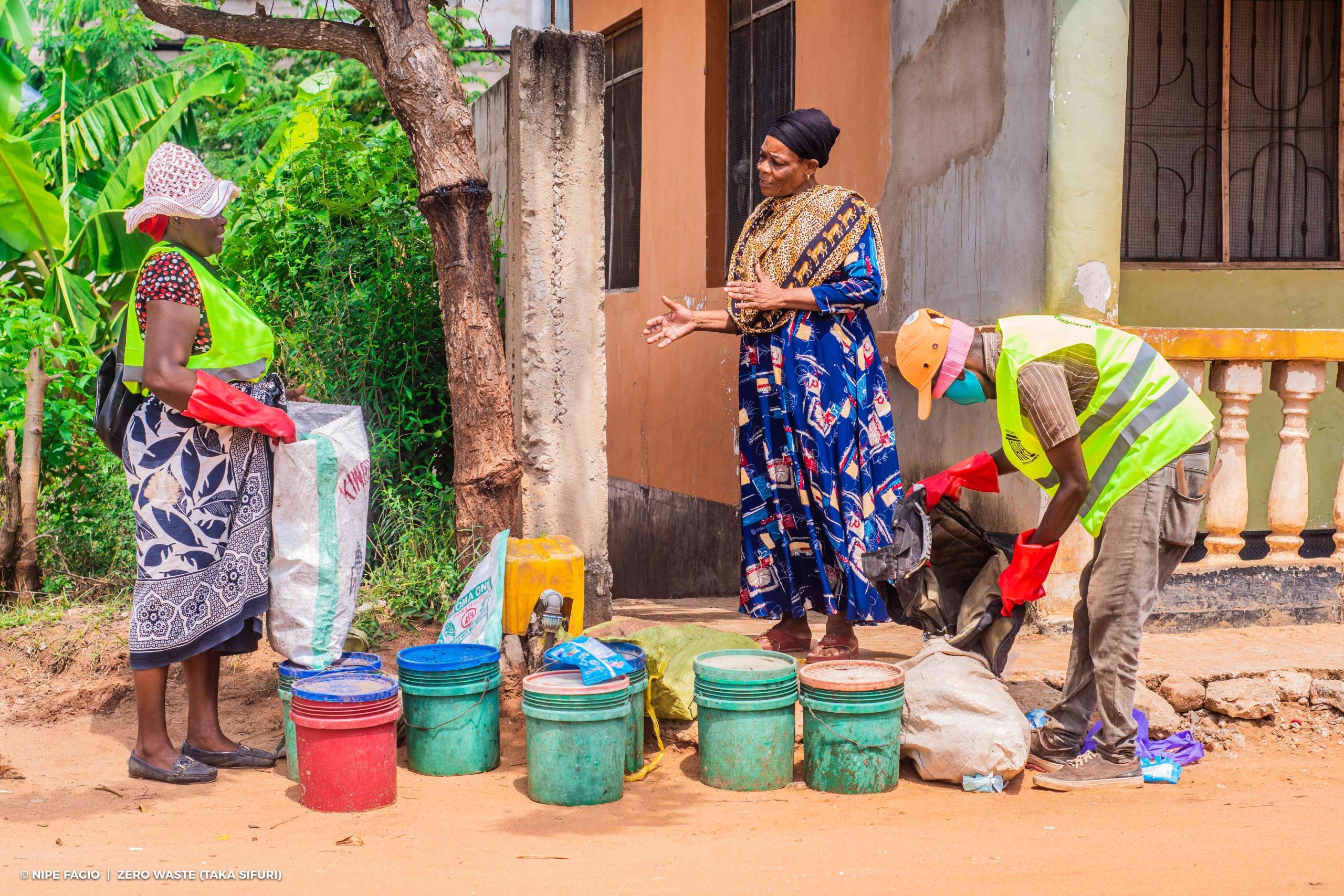
In Tanga, the Zero Waste journey has gained strong traction in Chumbageni Ward through the Waste Assessment and Brand Audit (WABA). Twenty households from each of the Kwaminchi and Mtupie neighborhoods participated in this hands-on process, learning the importance of segregating waste at the source and understanding the power of their participation. Together with Wajumbe and local waste collectors, we collected and analyzed waste for eight consecutive days, not to count trash, but to build an evidence base for better policies, smarter waste management, and stronger community ownership.
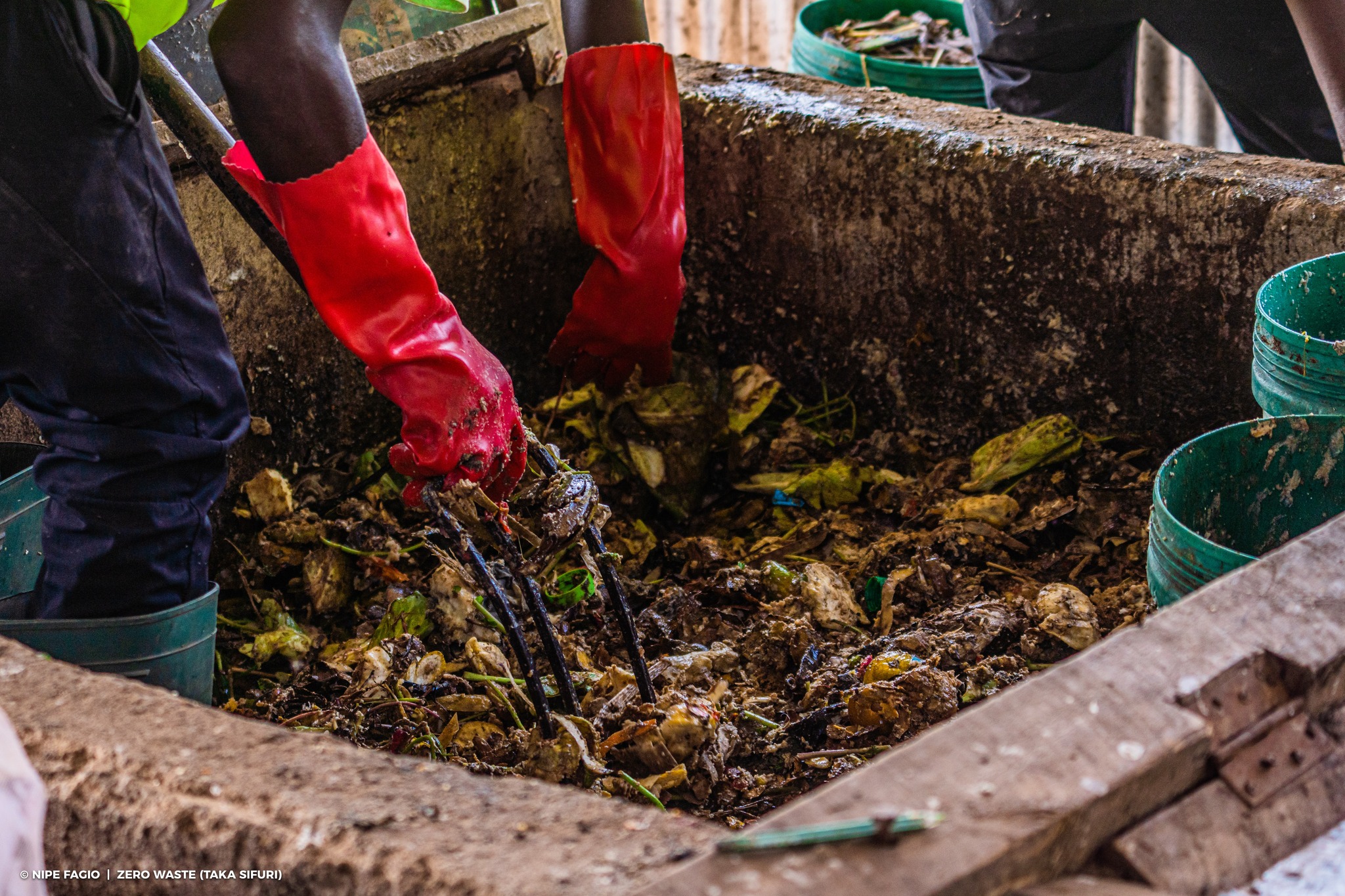
The WABA process has already started to transform behavior. Residents are now actively separating organic and inorganic waste, which makes recycling, composting, and recovery much easier. Organic waste collected from households is already being converted into compost at the future site of the Material Recovery Facility (MRF), demonstrating how waste can be transformed into wealth when handled properly. This is how real change starts, not from imported models, but from local people working hand in hand with data and direction.
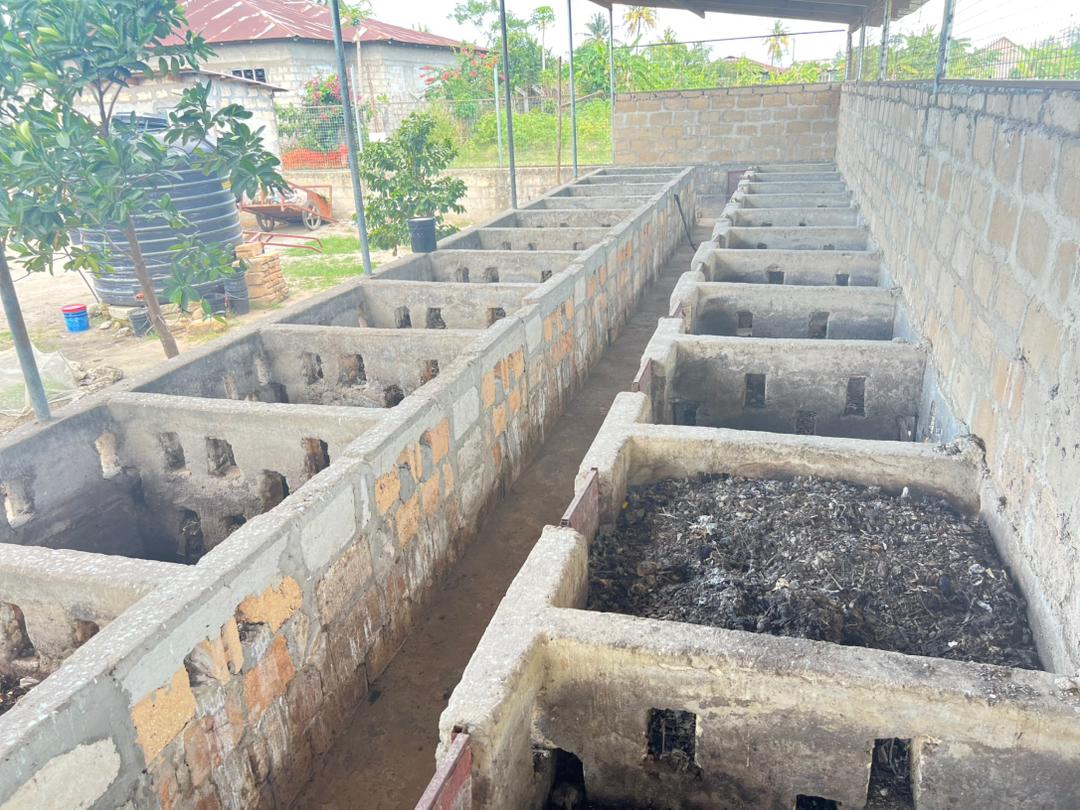
Across the ocean in Zanzibar, progress is inspiring. The construction of the Material Recovery Facility in Kijitoupele is completed, and it will soon process up to 90 tons of waste while serving more than 2,700 households. This facility will be a cornerstone for scaling the Zero Waste model across Zanzibar, turning what was once considered a burden into value. By preventing organic waste from ending up in landfills, the MRF will significantly cut methane emissions, one of the most dangerous greenhouse gases driving climate change. The facility is not just a structure; it is a symbol of innovation and hope for a climate-resilient Zanzibar.
Community engagement in Kijitoupele has been remarkable. Residents are being equipped with sorting materials, and awareness sessions are empowering them to segregate waste at the source. This approach is about more than just segregating waste; it is about protecting oceans, preserving ecosystems, and creating green jobs.
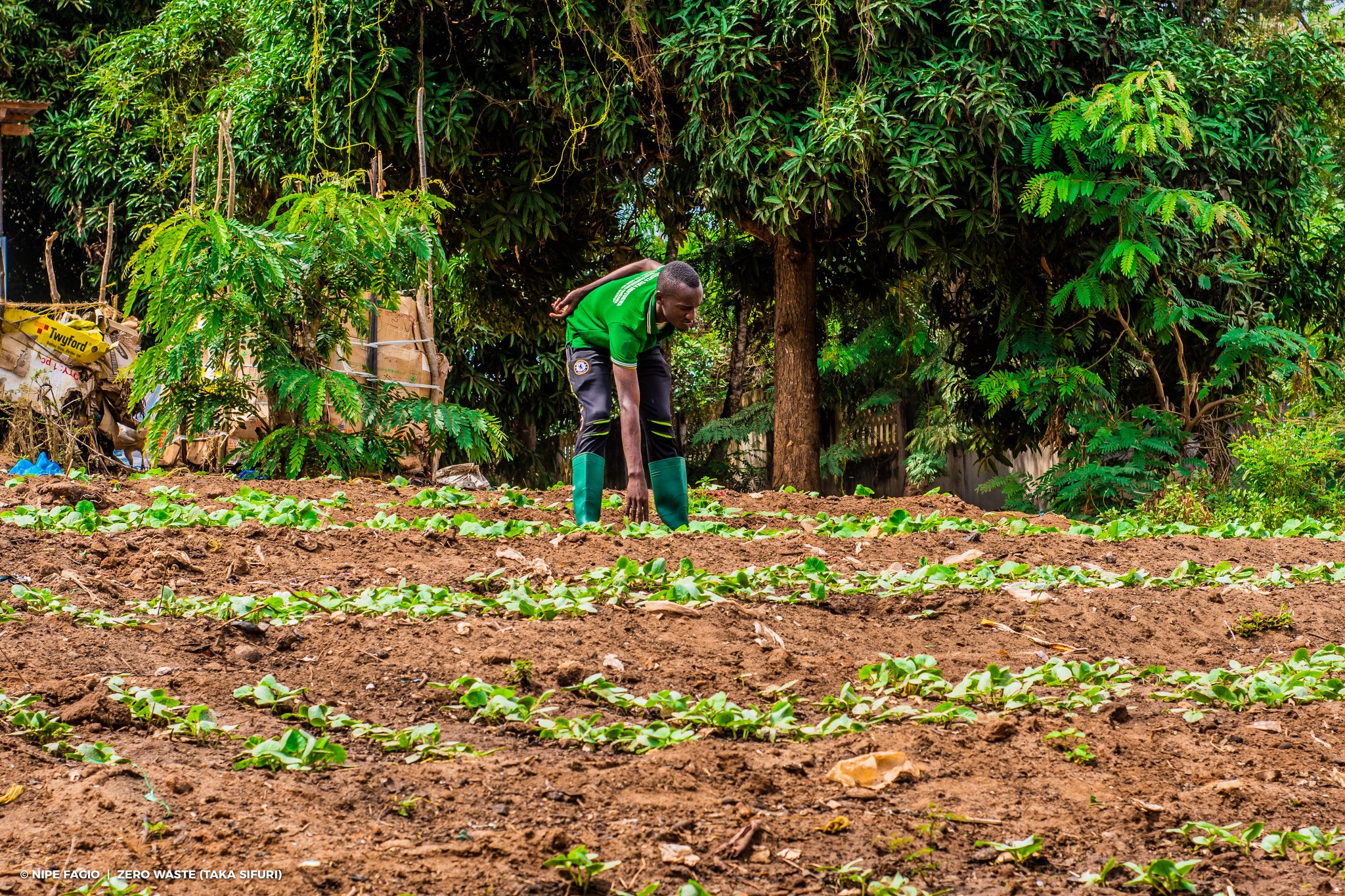
In Chumbuni, Zanzibar, the Zero Waste implementation model is already showing measurable success. With 84% of waste recovered monthly and only 16% going to landfill, Chumbuni is a living example that zero waste isn’t a dream; it is achievable. Over 1,500 households now participate, and seven tons of organic waste have already been converted into 3.5 tons of compost. Instead of methane-spewing dumps, this compost is now feeding local farms, boosting food security, and strengthening the local economy. This is what climate action looks like at the community level: practical, human, and effective.
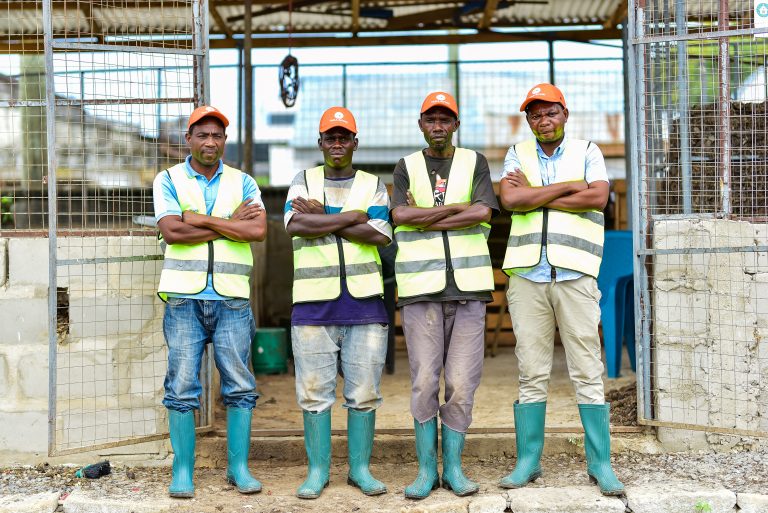
Back in Dar es Salaam, the Bonyokwa community continues to lead by example. Their Material Recovery Facility has become a hub of innovation and a knowledge hub, not only sorting waste but also composting it to restore life to the soil. The compost supports local vegetable gardens, improving yields and nutrition while keeping organic waste out of the Pugu Kinyamwezi dumpsite. The results speak for themselves: over 16.4 tonnes of methane emissions are avoided each year. That is real climate action happening right where people live and work.
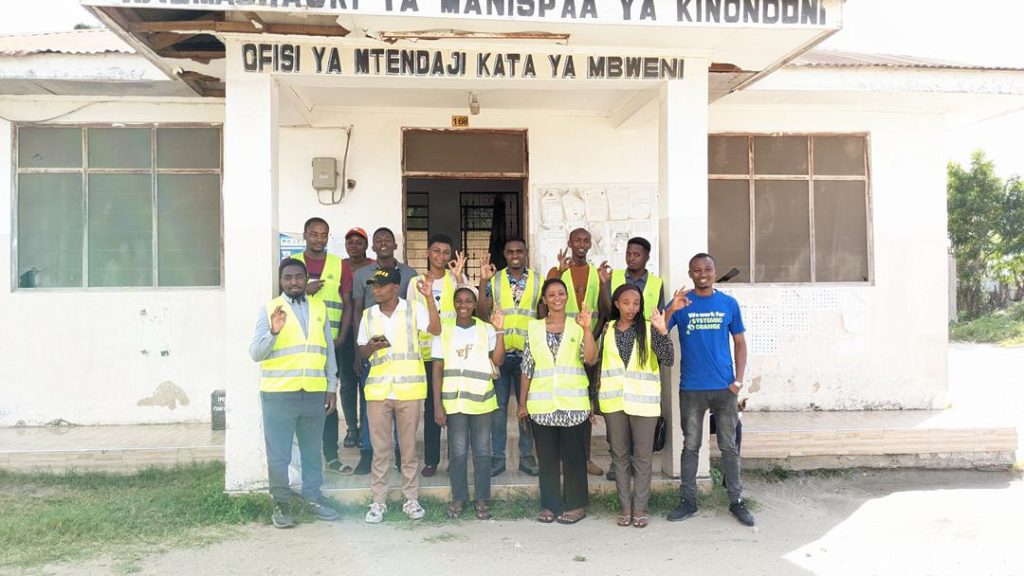
In Mbweni Ward, Dar es Salaam, we have launched the Zero Waste Survey in Maputo and Mbweni sub-wards, the foundation for a localized, community-driven model. Our Youth Ambassadors walked door-to-door, engaging with households, collecting data, and uncovering real insights into how waste is handled at the household level. This survey is not just paperwork; it is the groundwork for practical solutions. By learning what kinds of waste are produced, how they are managed, and where the gaps lie, we can design interventions that actually fit Mbweni’s reality, not imported ideas that do not work.
What makes this process powerful is the partnership with local government officials who understand the pulse of their communities. Their collaboration ensures that the Zero Waste model is not just a short-term project but a framework that can be scaled up, backed by policy, and owned by the people. This collaboration builds trust, creates local champions, and aligns our work with existing development plans. It is the combination of real data and political will that makes lasting change possible, the kind that shifts mindsets, livelihoods, and systems.
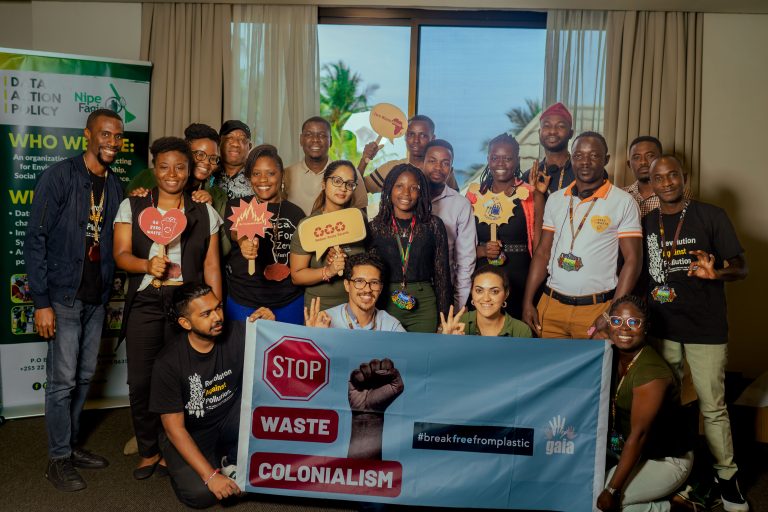
From Mbweni to Tanga, from Chumbuni to Kijitoupele and Bonyokwa, Tanzania’s Zero Waste journey is driven by people who care, supported by governments that believe in change, and fueled by data that makes action smart and scalable. This is not charity work; it is a system building a blueprint for East Africa and beyond. When waste is seen not as a problem but as a resource, the result is a climate-resilient community and a stronger economy. Tanzania is showing that zero waste is not a distant goal. It is happening now, in our homes, our markets, and our streets. The future we’re building is one where waste has value, communities have ownership, and our environment finally gets the respect it deserves. Zero waste is not just a model; it’s a movement. And it’s just getting started.