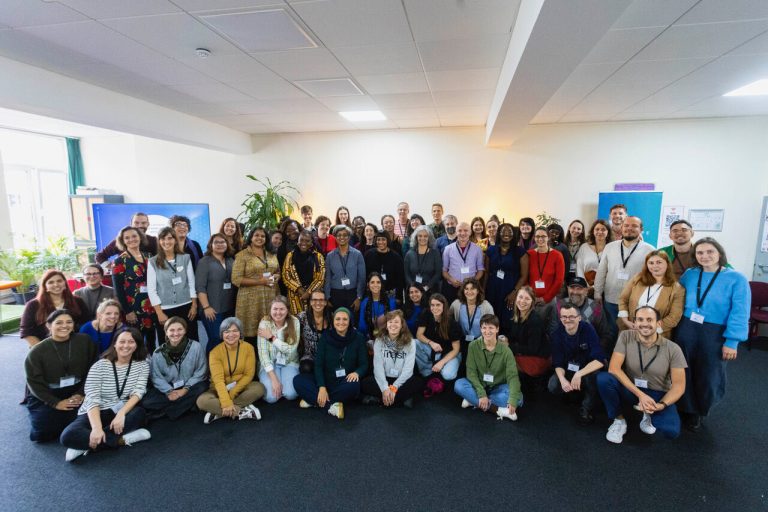

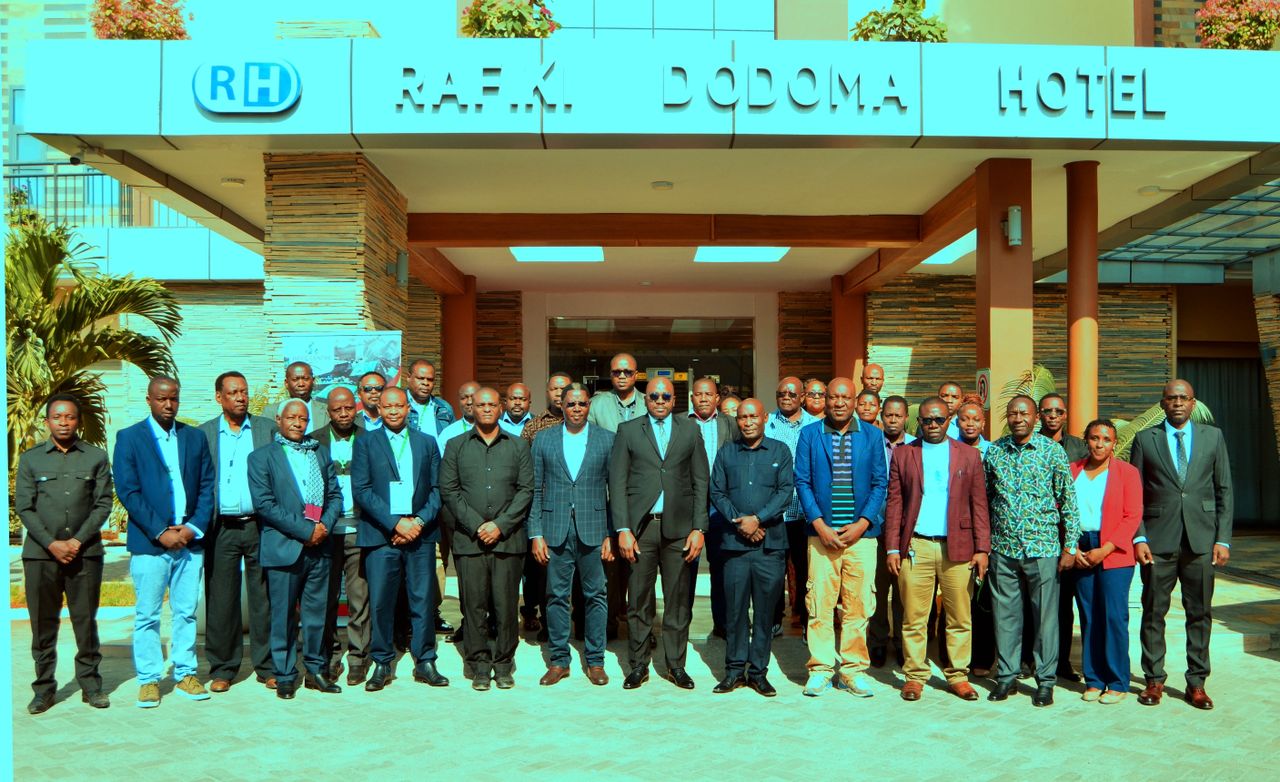
As technology rapidly advances, so does a new kind of pollution, electronic waste (e-waste). From broken phones and outdated computers to discarded TVs and chargers, these digital leftovers are quietly piling up across the country. Recently, we had the opportunity to participate in a Stakeholders’ Consultative Meeting on E-Waste Management, held in Dodoma and organized by the Vice President’s Office in collaboration with the WEEE-Center Tanzania.
The gathering brought together key institutions and organizations including The National Environment Management Council (NEMC), The Permanent Secretary Presidents Office
Regional Administration and Local Government, Ministry of Finance, Ministry of Health, Tanzania Commission for Science and Technology (COSTECH), Tanzania Communications Regulatory Authority (TCRA), UNDP Tanzania Country Office, Tanzania Recyclers Association (TARA), CHILAMBO, TILDO, WEEE Center Kenya, and Nipe Fagio, among others. It was a dynamic mix of government, private sector, NGOs, and international partners, all aligned under one mission: finding practical, systemic solutions for managing e-waste in Tanzania.
The meeting was officially opened by a representative from the Vice President’s Office, who laid out the facts plainly; Tanzania generated an average of 39 kilograms of e-waste per person in 2023, yet only 5% of it was collected and recycled. The rest ends up in landfills, open dumps, or informal sectors, posing serious risks to our environment and public health.
If nothing changes, by 2030, the world’s e-waste is projected to reach 82 million tonnes. For Tanzania, this is not just an environmental issue; it’s an economic and social threat. Toxic materials such as lead, mercury, and cadmium from discarded electronics contaminate soil and water, threatening food chains and human health. But behind this challenge lies an untapped opportunity: the creation of green jobs, youth-led recycling initiatives, and a circular economy that turns waste into value.
Throughout the discussion, one theme remained clear: we can’t manage what we don’t measure, and we can’t solve what we ignore. Stakeholders agreed on several key action points aimed at shaping a sustainable e-waste management system in Tanzania.
Primarily, prioritizing investment in E-Waste Management, institutions, and NGOs
Stakeholders emphasized that organizations actively working in e-waste management should receive regulatory support and investment incentives. NEMC was urged to streamline licensing for capable institutions to ensure responsible collection and recycling processes.
Expanding public awareness and education, the meeting highlighted the need for massive community education campaigns to inform citizens about the dangers of e-waste and the benefits of recycling. Awareness must start from schools and extend to local communities, markets, and informal waste workers.
Never the less, inclusion of Local Government and Waste Pickers in the movement. TAMISEMI was encouraged to recognize and support waste pickers’ groups as vital players in e-waste recovery. Local governments must be part of the solution, empowering them to manage collection points and ensure safe disposal practices.
Enforcement of Extended Producer Responsibility (EPR); participants agreed that manufacturers, importers, and sellers must be held responsible for the entire lifecycle of their electronic products, from production to disposal. Enforcing EPR is critical to building accountability and reducing the burden on local authorities.
Establishing Material Recovery Facilities (MRFs): Each municipality should establish MRFs to improve waste sorting and recycling efficiency. This would reduce the amount of e-waste going to dumpsites and enable the recovery of valuable materials such as copper, gold, and aluminium.
Amongst this background, Strengthening Collaboration Between Government and Non-Governmental Actors. Partnerships between the government, private sector, and civil society are essential for scaling up e-waste management initiatives. By combining technical expertise, funding, and grassroots reach, Tanzania can set a benchmark for East Africa.
Ultimately, we believe systemic problems demand systemic solutions and this meeting in Dodoma was a step in that direction. The alignment between data gathering, policy advocacy, and action must now translate into real change on the ground. We can’t afford to treat e-waste as an afterthought anymore. It’s time for every stakeholder from policymakers to manufacturers, recyclers, and citizens to take responsibility. Tanzania has the frameworks, the institutions, and the growing expertise; what’s needed now is commitment and enforcement. Let’s not wait until our landfills overflow with dead electronics. Let’s turn our digital waste into digital wealth, creating jobs, protecting our people, and ensuring that progress doesn’t come at the cost of our planet.