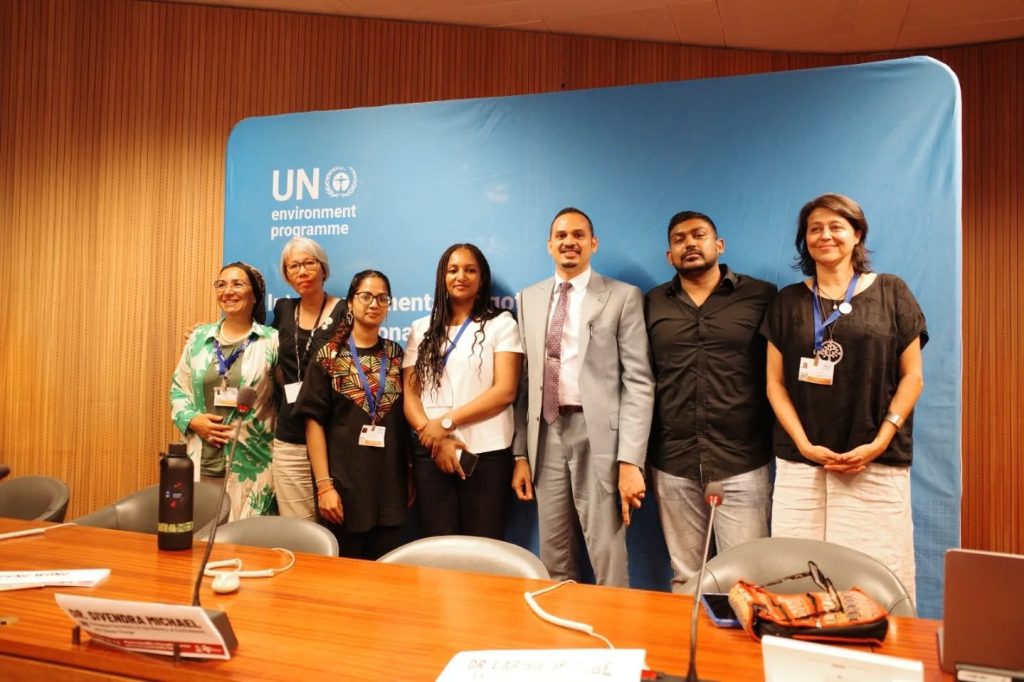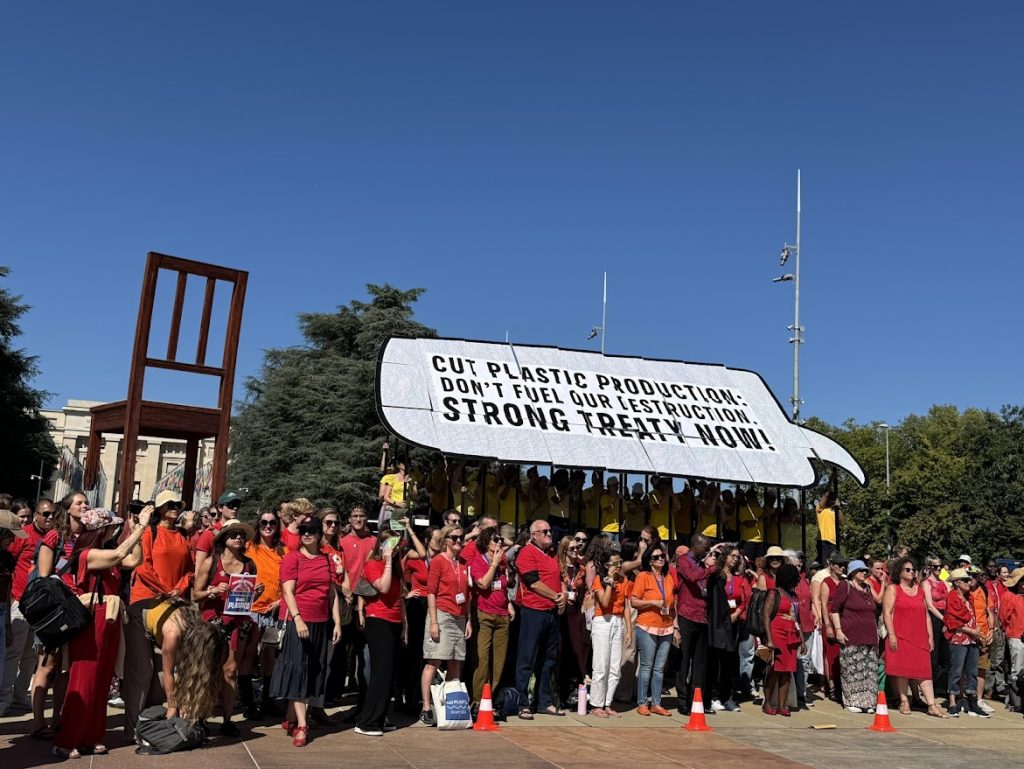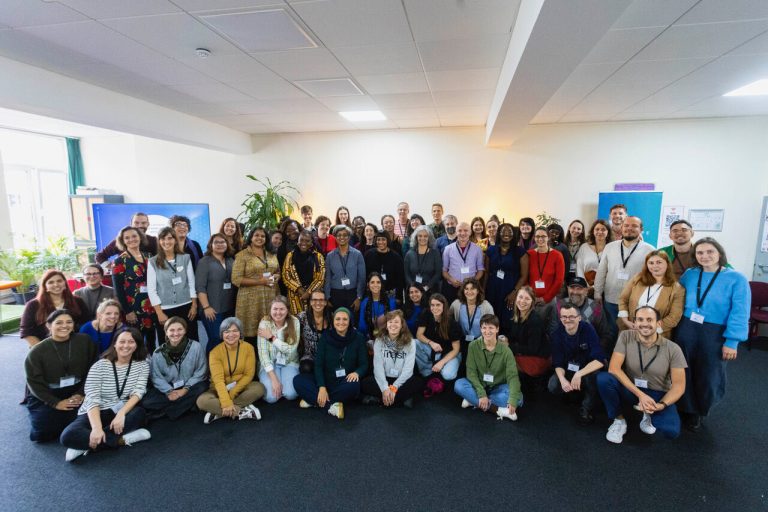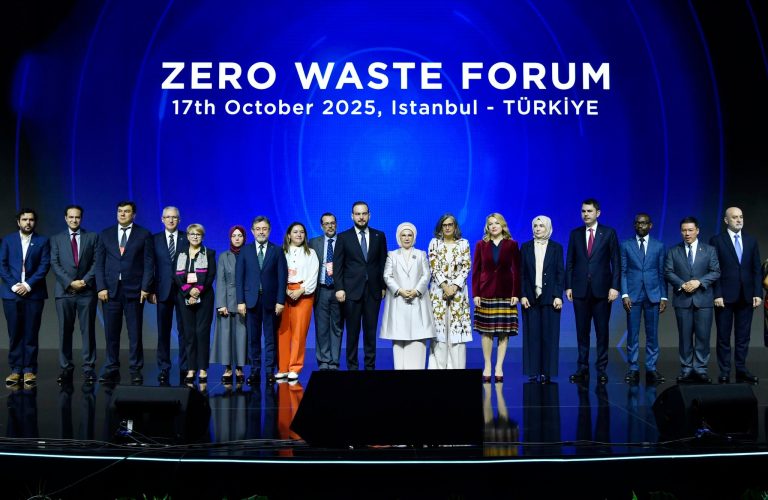

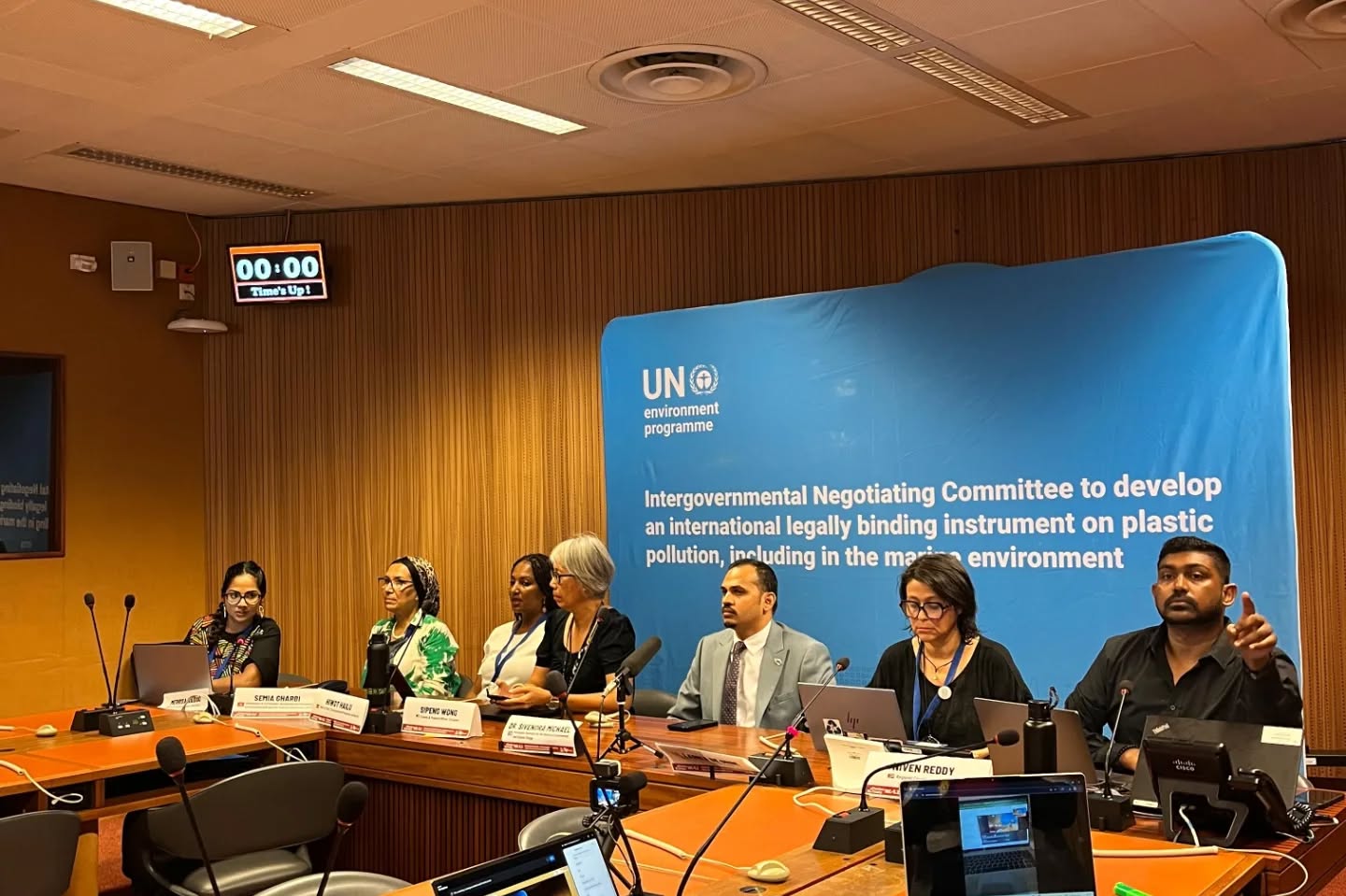
From August 5 to 15, 2025, Geneva became ground zero for the second part of the fifth session of the Intergovernmental Negotiating Committee (INC) on a global plastics treaty. Expectations were high; this was supposed to finalise a legally binding instrument to end plastic pollution across its full life cycle. Instead, we walked away with no consensus, deep frustration, and an urgent call to rethink the process.
The mandate from UNEA to create a robust treaty has always been full-spectrum; from designing plastics, reducing production, regulating harmful chemicals, controlling trade in waste, to ensuring robust financing and implementation. But INC-5.2 laid bare how fragile that mandate is when confronted by entrenched interests and procedural capture.
A major flashpoint was the late insertion of a new draft treaty text by the INC Chair, just hours before the scheduled closure. This text abandoned many of the stronger provisions that countries and civil society had rallied around. It dialled back production limits, weakened binding language, and ignored health, justice, and human rights claims raised by many. The backlash was immediate: more than 80 countries rejected it outright. A delegate from Panama even said their “red lines” had been “spat on and burned.”
In procedural terms, chairs dismissed attempts to streamline work, deploy informal groups, or adopt alternative decision-making approaches. Instead, the session sank into “consensus paralysis,” endless loops of exclusionary plenary debates, and last-minute text dumps. By August 15, with hours of negotiation exhausted, the meeting adjourned without a consensus.
Despite the procedural chaos, there were important alignments among states and civil society. Over 120 countries backed a standalone health article, recognising the toxic risks posed by plastics and chemicals. 111 countries pushed for reuse targets and systems to redesign plastic product standards. More than 100 states insisted on binding limits to plastic production. 151 countries supported a dedicated independent multilateral fund for developing countries. Thus, the fault was not a lack of vision but a process that could not translate that vision into an agreed legal text. The “ambition bloc” remained vocal, even as a minority of petro-states and producer interest groups pushed back hard.
Quoting INC Chair Ambassador Luis Vayas Valdivieso, she said, “Failing to reach the goal we set for ourselves may bring sadness, even frustration. Yet it should not lead to discouragement. On the contrary, it should spur us to regain our energy, renew our commitments, and unite our aspirations. It has not happened yet in Geneva, but I do not doubt that the day will come when the international community will unite its will and join hands to protect our environment and safeguard the health of our people.”
Why does this failure matter? Procedural legitimacy is as important as content. A great treaty with a flawed negotiation process will struggle for buy-in, especially for countries in the Global South. The breakdown highlighted that process reform is not optional; it’s foundational. We can not lock in weak deals as “progress”. The mantra that “some treaty is better than none” is dangerous. A bad treaty may ossify low ambition, codify loopholes, and empower polluters. That is why many insisted, “No treaty is better than a bad treaty.”
Power imbalances and justice deficits persist. The plastics crisis is deeply entangled with colonial legacies, toxic dumping, inequitable waste flows, and the exploitation of marginalised communities. The weak text attempts to cater to those upholding the status quo. That in itself is a political choice and a betrayal of justice. The clock is still ticking on planetary boundaries. Plastic production is expanding; GHG emissions tied to plastics (3–8% globally) may double by 2060. Each delay compounds harm to nature, human health, the climate, and the rights of frontline communities.
What must change? We are continuing to generate and publish disaggregated data (by region, community, life-cycle stage) on plastics, toxics, health, waste trade, and social impacts. That data must empower Global South stakeholders, waste pickers, and frontline groups.
We still insist on procedural reform, such as voting as a fallback, transparent co-chairing, meaningful stakeholder groups (“friends of the chair”) without undermining substantive negotiations. Anchor negotiation on baseline ambition; cut plastic production, regulate chemicals by “no data = no market,” ban high-risk plastics, and close waste trade loopholes. We need to push for equitable means of implementation: mandatory EPR, financial transfer mechanisms, capacity building, a science-policy body, and a just transition for affected workers, especially waste pickers.
Strengthening the global movement, particularly across Africa, Asia, and Latin America. Making sure local voices like those of waste pickers, Indigenous communities are front and centre, not token observers. Using campaigns, pressure, and public narratives to hold states accountable, expose lobbying by petrochemical interests, and demand transparency in delegations.
Additionally, translating treaty momentum into national policy change, expanding bans on single-use plastics, enforcing extended producer responsibility, strengthening waste systems, promoting reuse and circular economy practices.
INC-5.2 ended not with a treaty, but with an injunction; we must do better, not just in ambition, but in how we negotiate. The Global South and civil society must reject processes that systematically privilege polluters. We need a reset: a transparent, accountable, democratic process aligned with justice and planetary limits. The struggle continues. The movement is growing. The voices of those most harmed are getting louder. As we push forward, let’s not lose sight: systemic change begins when we refuse to normalise failure. The fight for a strong plastics treaty is not abstract; it is about protecting our lives and our future.