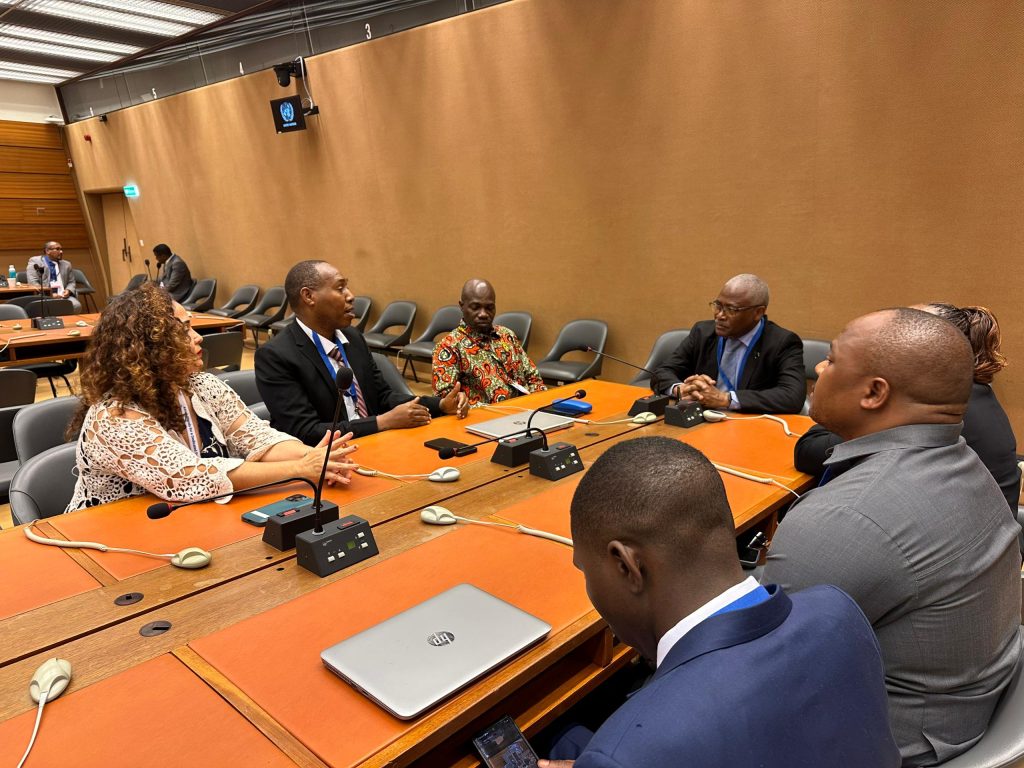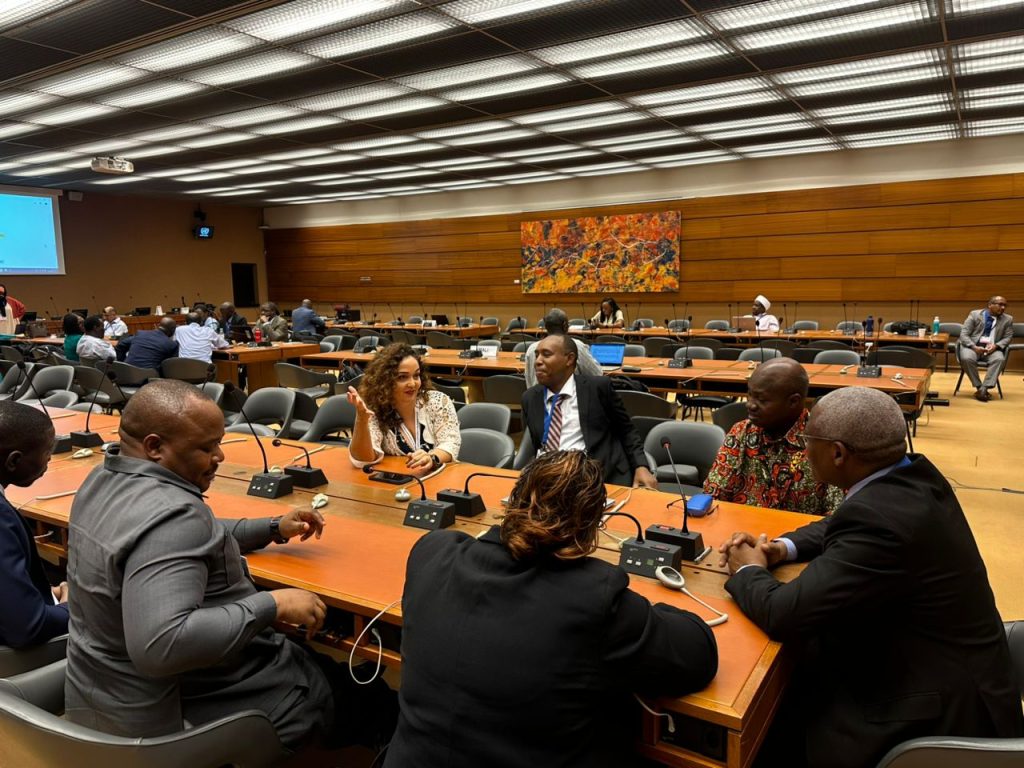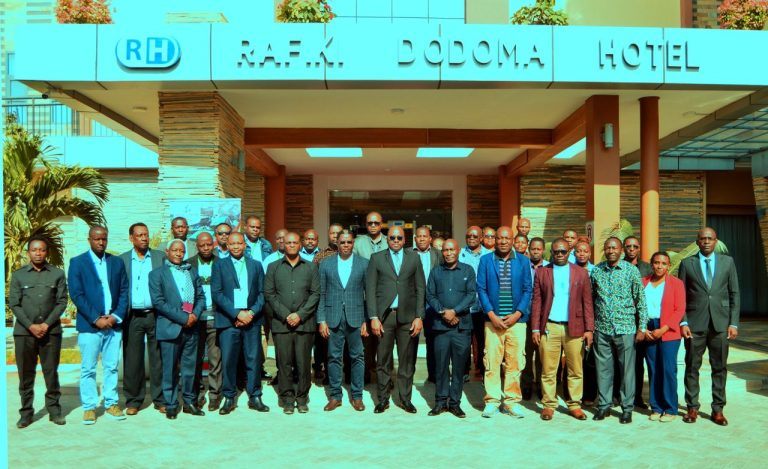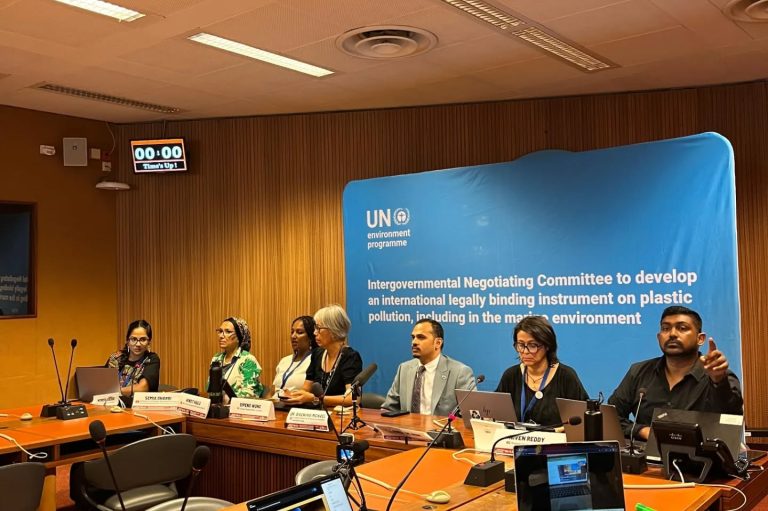

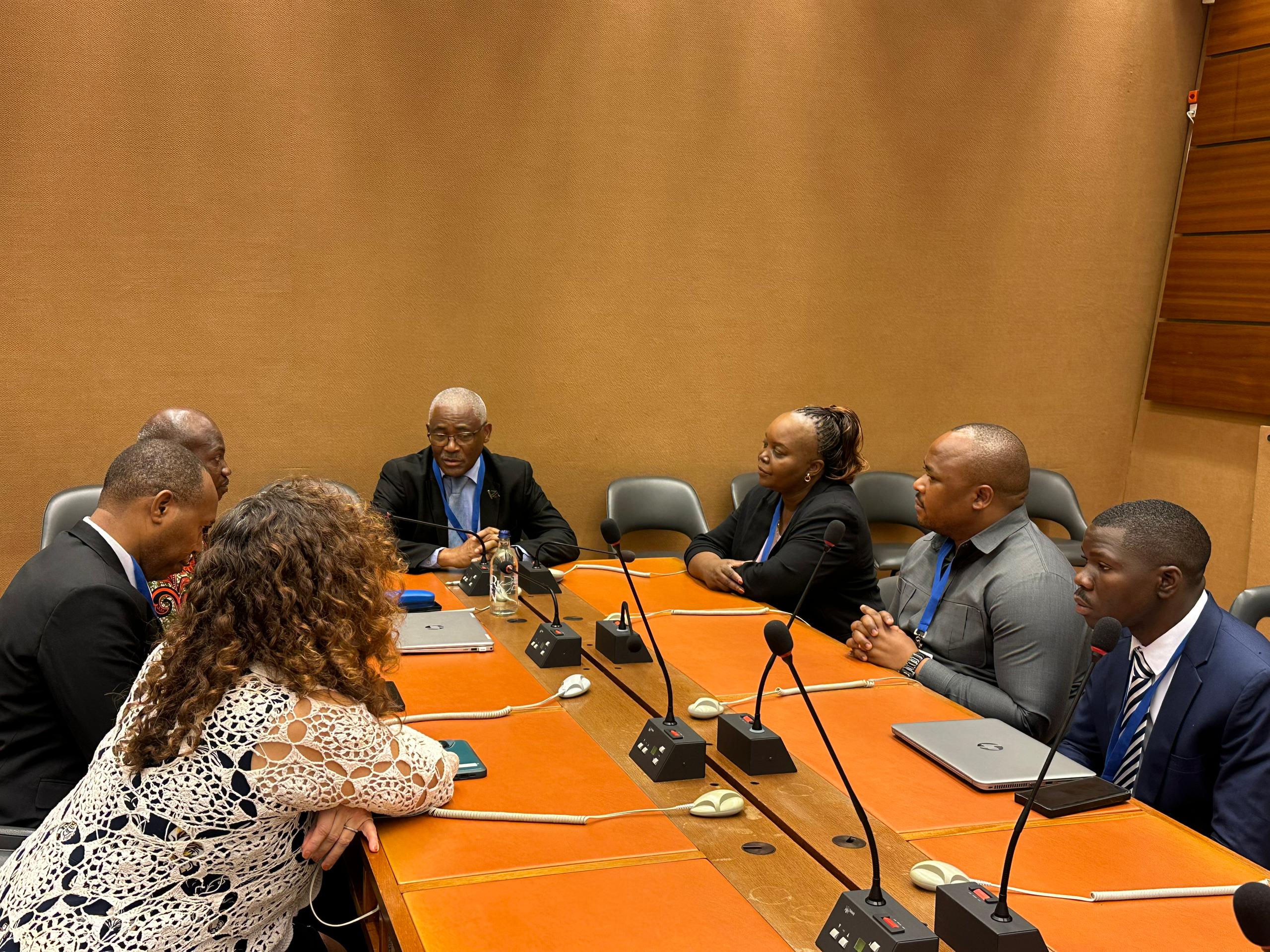
The Second Part of the Fifth Session (INC-5.2) of the Intergovernmental Negotiating Committee on Plastic Pollution, held in Geneva in August 2025, was a defining moment for countries fighting for a strong and just Global Plastics Treaty. While the global stage was charged with tension and divided ambition, Tanzania stood out firm, clear, and determined to protect both people and the planet from the plastic crisis.
Representing the Government of Tanzania, Prof. Peter Msofe, Deputy Permanent Secretary from the Vice President’s Office – Environment, reminded the world that Tanzania is not new to this fight. He reaffirmed the country’s full participation and unwavering commitment to global negotiations that seek a binding treaty to end plastic pollution.
“Our country is determined to participate fully in the International Treaty negotiations to control plastic pollution,” said Prof. Msofe, speaking to Tanzanians attending the session. He highlighted the steps Tanzania has already taken. The government has implemented, the ban on plastic bags, one of the earliest and most decisive actions in East Africa. The implementation of policies and regulations to reduce single-use plastics. Strengthened waste management systems through national education and public campaigns. These national measures position Tanzania not as a bystander, but as a leading voice in Africa’s call for a global treaty rooted in justice, accountability, and action.
Alongside government representatives, Nipe Fagio and other Tanzanian NGOs actively engaged in INC-5.2 discussions, bringing data, community voices, and zero-waste expertise to the international platform. For over a decade, Nipe Fagio has worked on the ground in data gathering, policy advocacy, and action, the same three pillars that underpin its contribution to the global plastic treaty process.
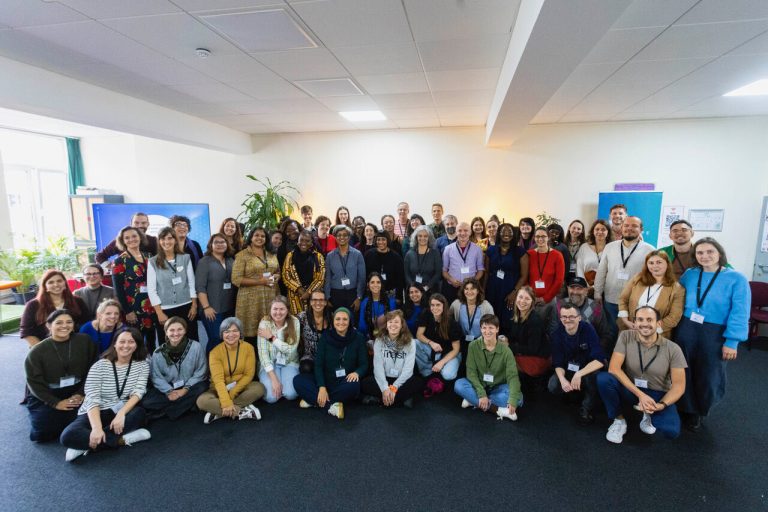
At INC-5.2, we joined civil society organizations from across Africa under the GAIA (Global Alliance for Incinerator Alternatives) and Break Free from Plastic networks (BFFP). Together, they pushed for a treaty that goes beyond, demanding production cuts, chemical transparency, just transition for waste pickers, and a ban on false solutions like incineration and chemical recycling.
Through its experience implementing Zero Waste Models in Zanzibar, Dar es Salaam, and Arusha, we showcased Tanzania as a living example of how communities can reduce waste, recover resources, and create green jobs. This grounded experience gave Tanzania’s delegation a strong case for policies that link global ambition with local solutions.
Throughout the negotiations, Tanzania aligned with other ambitious African nations calling for a robust and enforceable treaty, not one watered down by corporate pressure or procedural shortcuts. For Tanzania and its partners, a strong treaty must target plastic at its source, limiting production, banning harmful chemicals, and ensuring financing for developing countries to build resilient, zero-waste systems.
Tanzania’s stance was amplified through African civil society statements led by GAIA Africa, the Pan African Climate Justice Alliance (PACJA), and the Centre for Environment, Justice and Development (CEJAD). The collective message was clear; End plastic pollution by reducing production, Reject toxic waste trade that treats Africa as a dumping ground, Support waste pickers and informal sector workers in a just transition, establish strong financing and capacity-building mechanisms for developing nations.
This unity of voice strengthened Africa’s position within the negotiations, ensuring that the continent’s realities, historical injustices, limited infrastructure, and the social cost of waste, remained front and center. INC-5.2 ended without consensus, but it did not end in defeat. Tanzania’s participation, through its government, technical experts, and civil society, sent a powerful signal; the fight against plastic pollution is a fight for dignity, sovereignty, and sustainable development. The next phase of negotiations must correct the procedural failures seen in Geneva and center the lived experiences of countries like Tanzania, those bearing the burden of plastic pollution but also leading in local innovation.