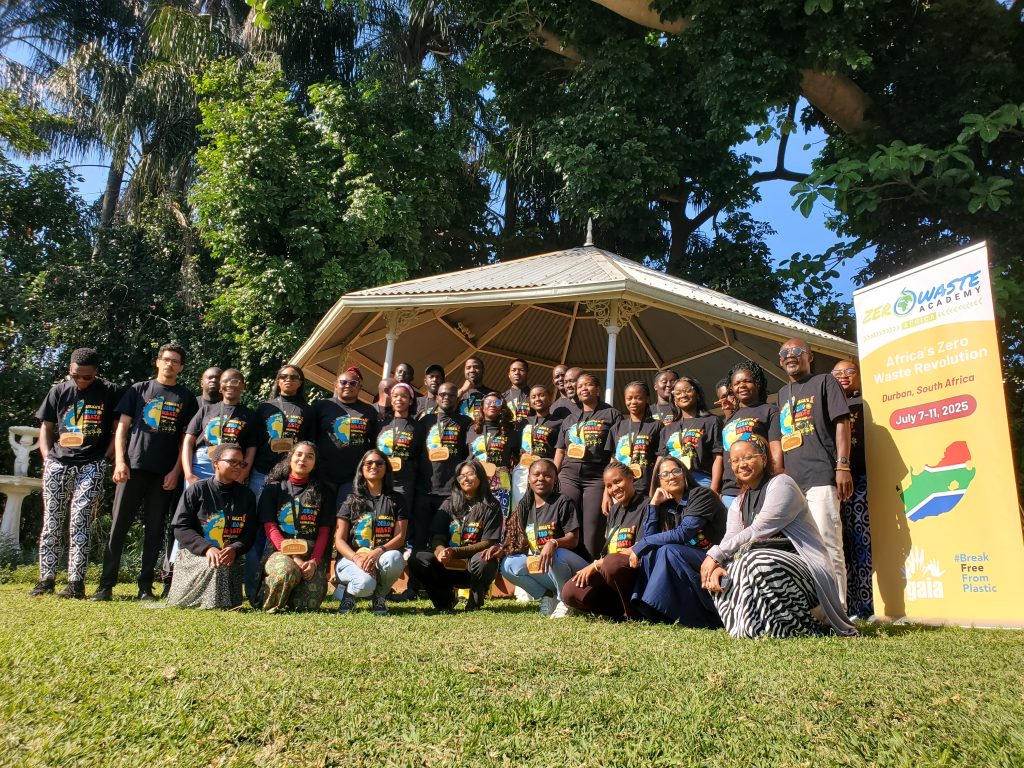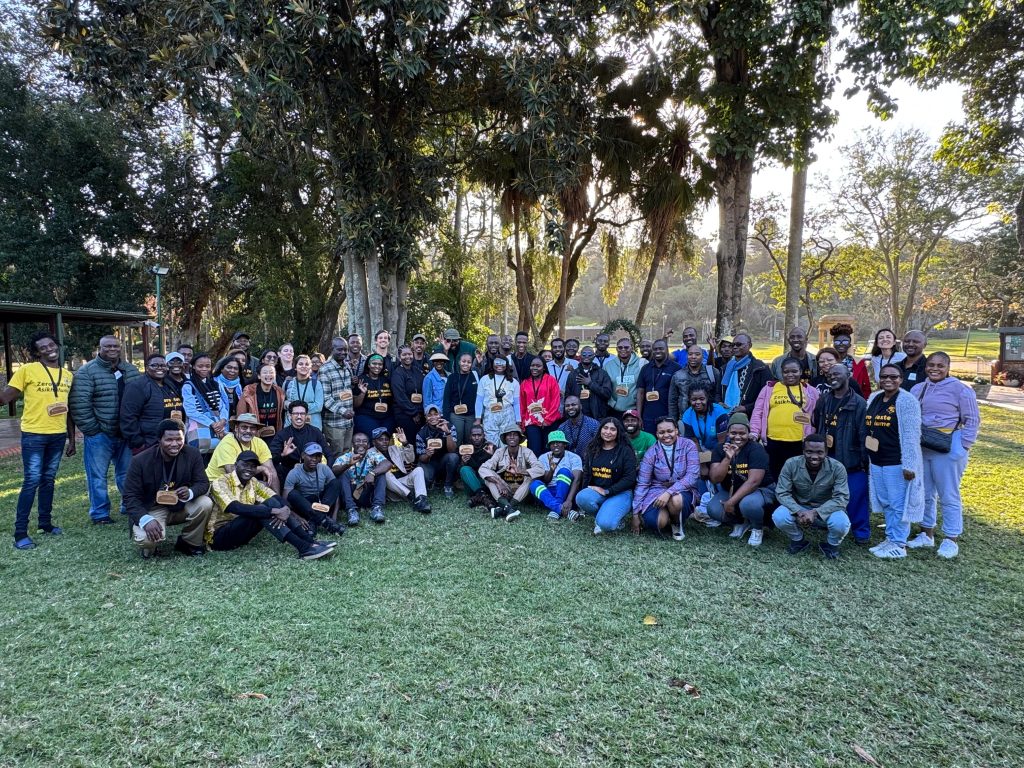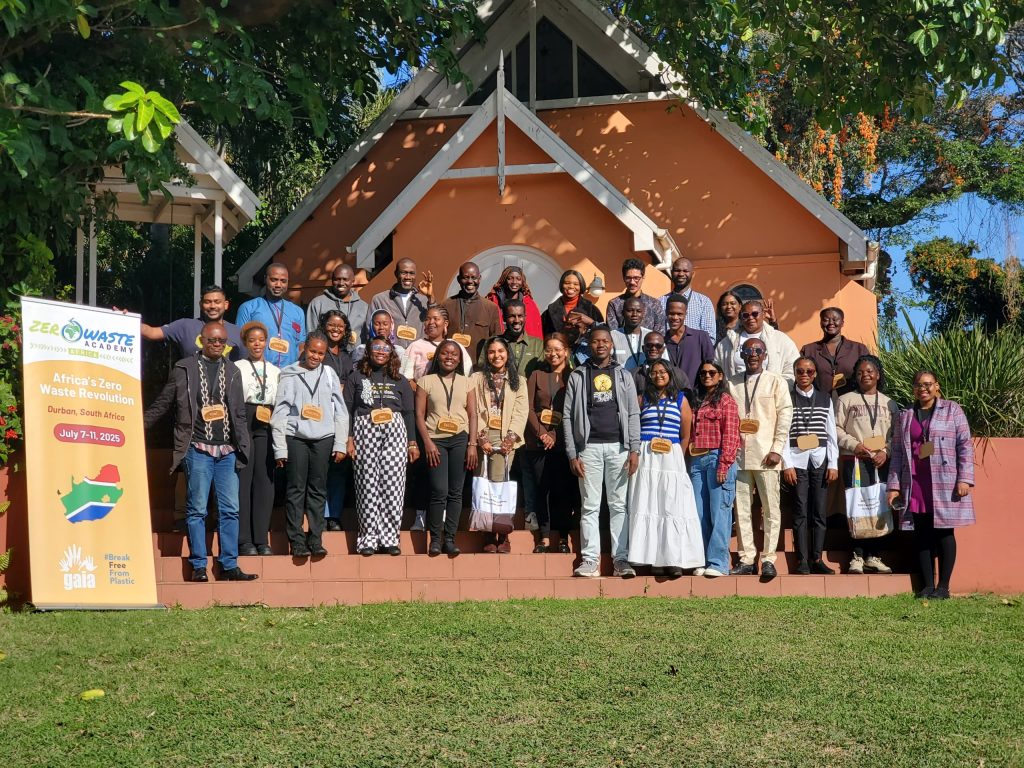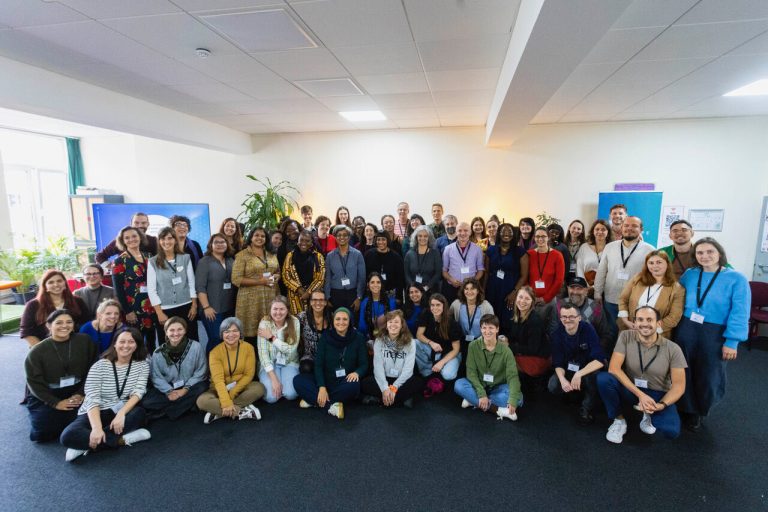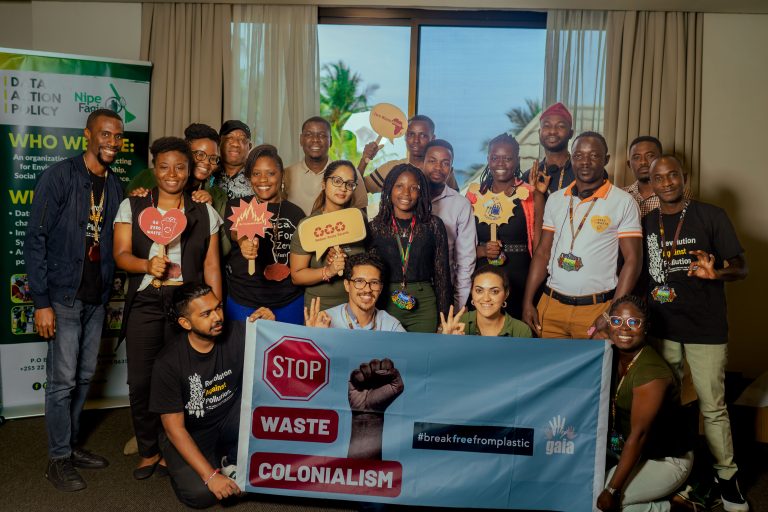

In mid‑2025, the Africa Zero Waste Academy emerged as more than just a training, it became a Launchpad for change‑makers across the continent. Organized by GAIA/BFFP Africa, the Academy equipped climate advocates, policymakers, and practitioners with hands‑on skills in waste characterisation, composting, data-driven strategies, movement building, and waste picker integration.
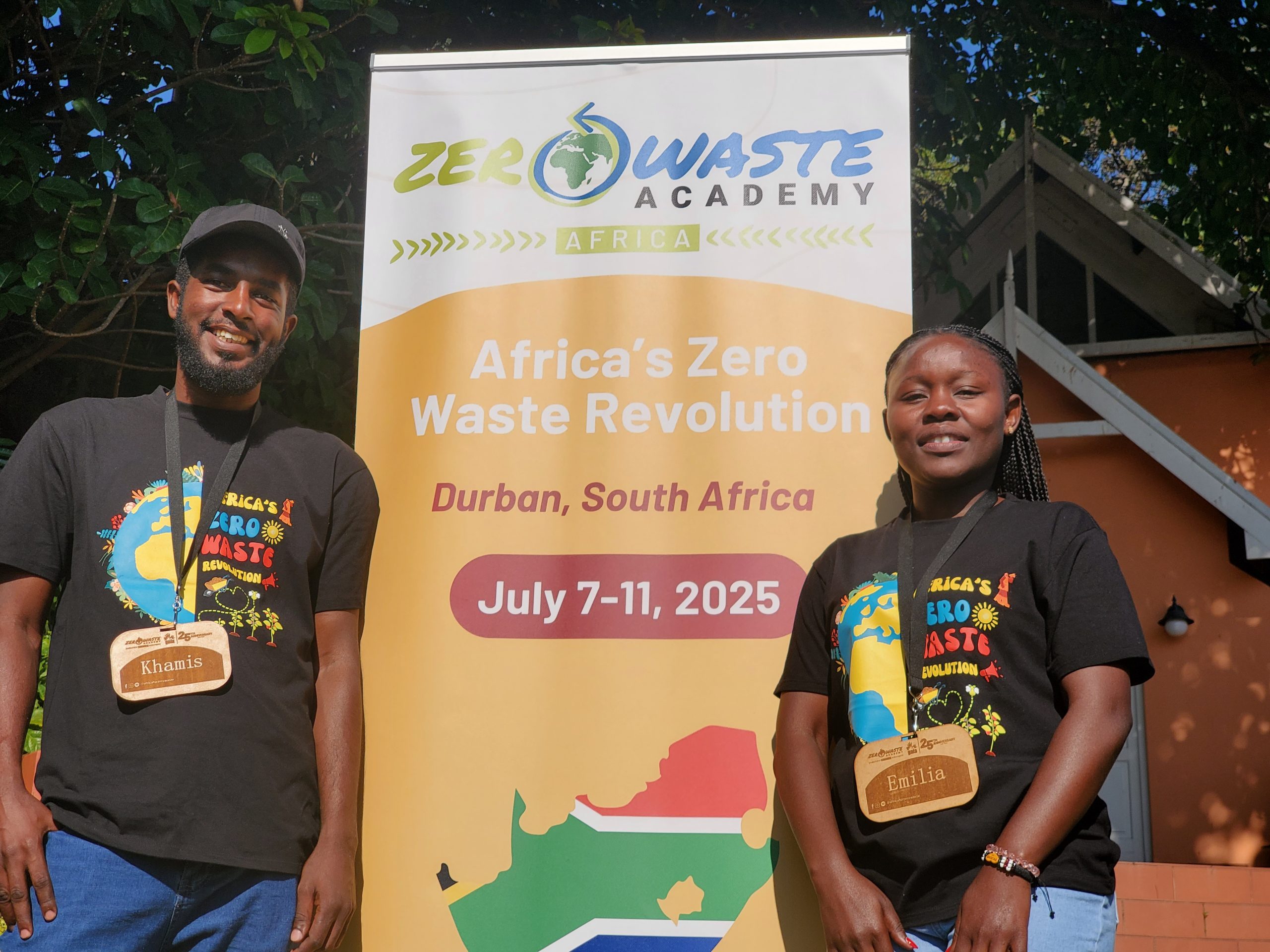
Spanning six dynamic weeks, over 40 participants from 18 countries engaged online, completing assignments, auditing their waste streams, mapping informal systems, and drafting project plans tailored to their communities. This was followed by an electrifying, in-person week in Durban, South Africa (7–11 July 2025), where participants toured real zero-waste communities, connected with frontline waste workers, and honed their storytelling and project design skills.
It was within this vibrant mix of data, policy, and action that two Nipe Fagio representatives, Emilia Challe from Tanga and Khamis Abrahman from Zanzibar, found their journeys illuminated. For them, the Academy wasn’t just about absorbing knowledge; it was about preparing to activate change back home. Each session, field visit, and conversation was a step toward understanding how to shift systems from extractive to regenerative, from linear to circular.
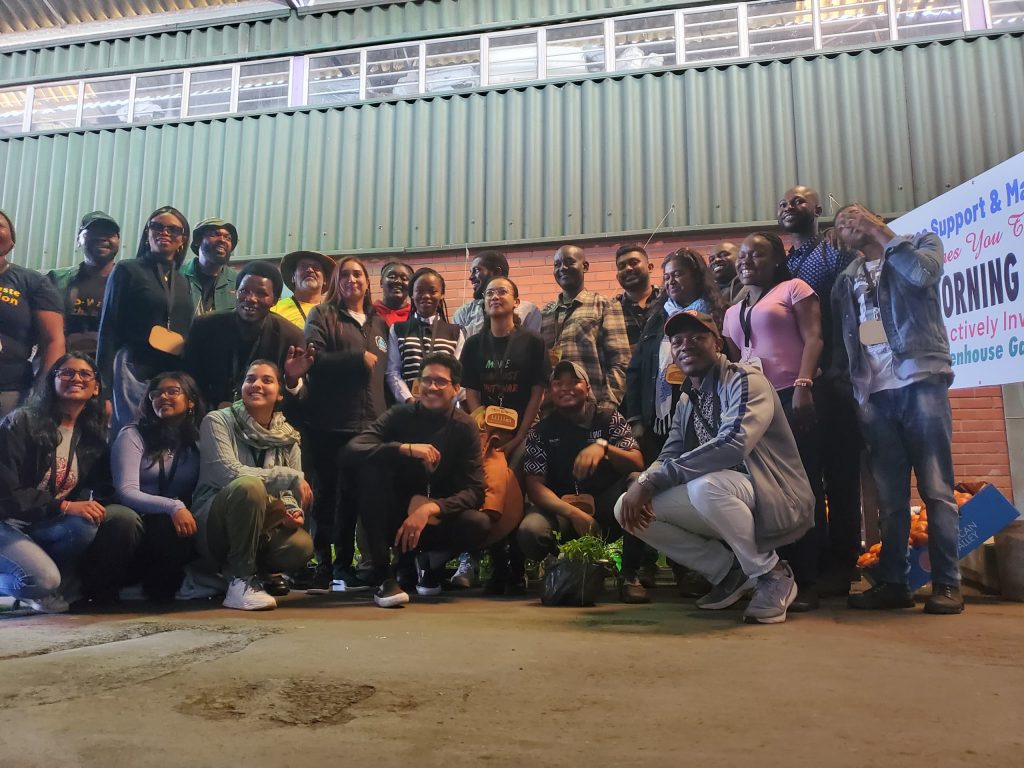
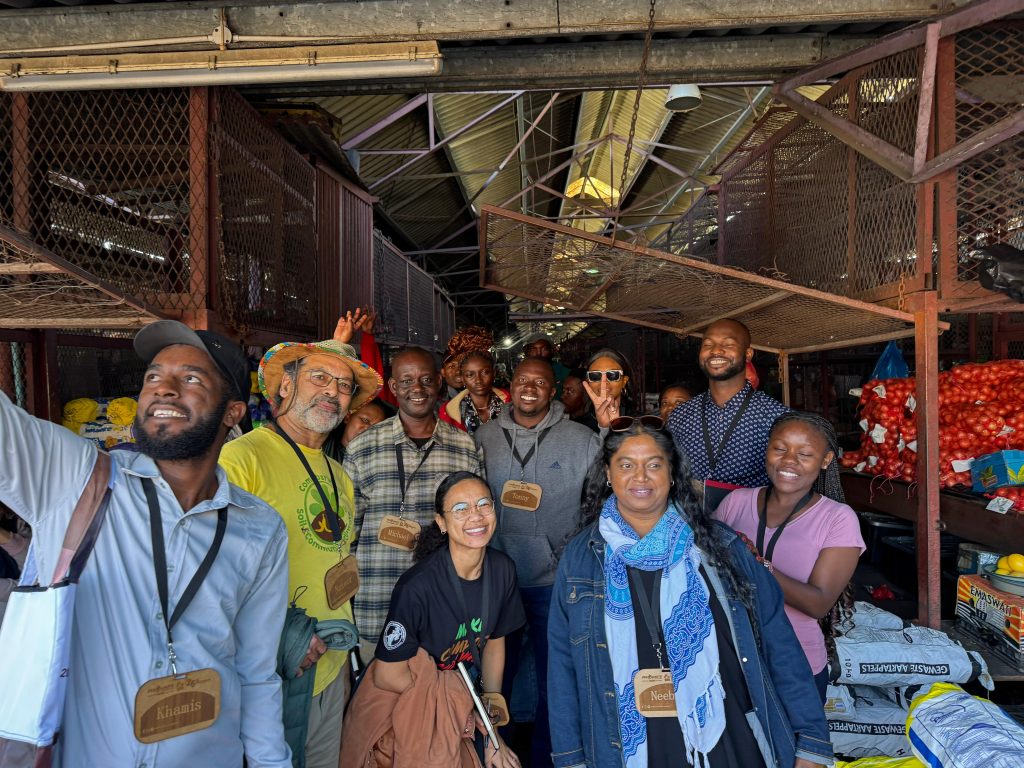
“The Early Morning Market visit was eye-opening,” Emilia shared. “It’s a lively space full of culture and commerce, but also of unmanaged organic waste. Seeing how informal systems operate helped me imagine small, local interventions that could make a big difference in Tanga.” Indeed, the market showcased how organic waste can either become a burden or a resource depending on how it’s handled. The team witnessed how simple, community-led composting systems could transform these busy spaces into cleaner, more sustainable hubs.
At the Durban Botanical Garden, Khamis found inspiration in nature’s blueprint for zero waste. “Nature wastes nothing. It was powerful to see how the garden reuses its organic waste, aligning with ecological principles. We need to replicate these ideas back in Zanzibar, where community gardens, composting and education can merge.”
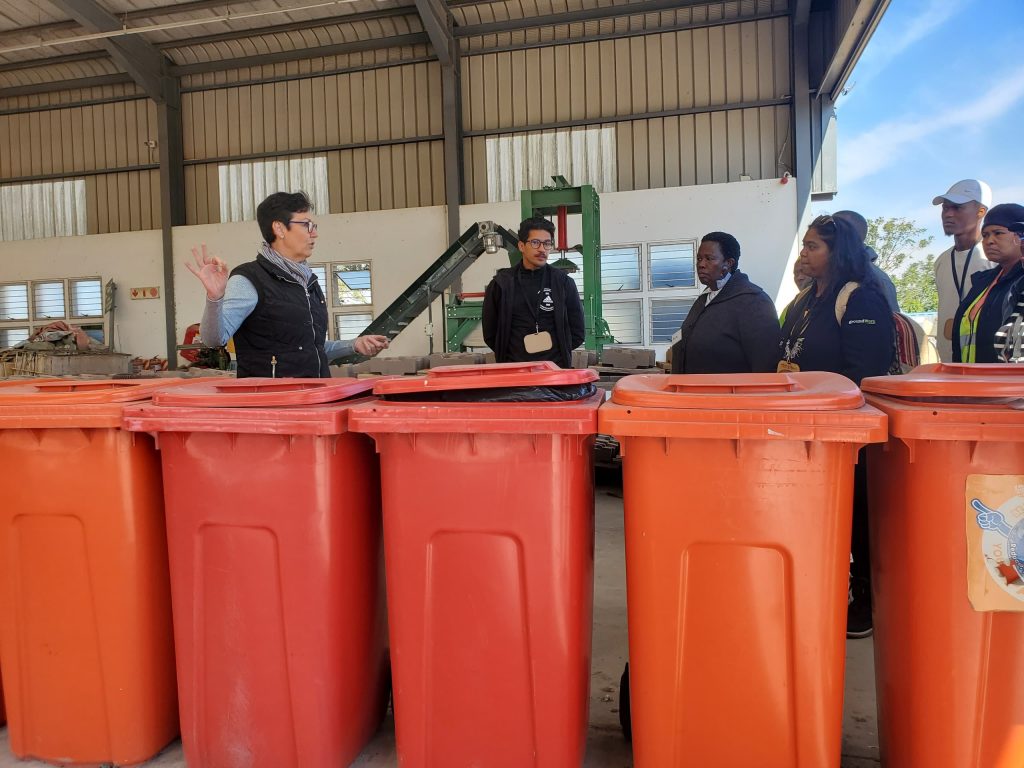
One of the Academy’s most impactful visits was to the USE-IT facility, where participants saw real-life examples of waste being turned into jobs, building materials, and sustainable products. “USE-IT flipped the script,” Khamis said. “It proved that the waste problem is really a mindset problem. If we see waste as opportunity, we can create value that uplifts communities.”
USE-IT isn’t just about recycling; it’s about redefining what’s possible. And that’s exactly what Emilia and Khamis aim to do: bring home strategies that fit the realities of Tanga and Zanzibar while challenging the dominant narratives in waste management.
Emilia approached the Academy with a keen eye for data collection and analysis, her curiosity leading her to audit waste streams right at our Zero Waste model in Tanga. For Emilia, the Academy’s mix of online training and Durban’s field immersion transformed data into dialogue, and together they sparked community action that rippled beyond her household.
Khamis arrived eager to deepen his advocacy toolkit. The Academy’s modules on movement building and waste picker integration armed him with compelling policy language and a deeper appreciation for local knowledge. In Durban, when grassroots zero-waste initiatives came alive before his eyes, Khamis felt his plans clarify. Back in Zanzibar, he is leading our zero-waste models in Chumbuni and Kijitopele, rooted in both data and tradition. The experience ignited his belief that lasting policies must grow from real stories and local rhythms.
For both Emilia and Khamis, the Academy’s greatest gift was not just the tools but the people. Sabrina from Namibia reflected, “The Africa Zero Waste Academy didn’t just teach me strategies. It gave me a community. I now have a network of passionate individuals across Africa I can rely on for guidance, collaboration, and support in implementing real Zero Waste solutions. That kind of solidarity is priceless.”
The story of Emilia and Khamis is just one thread in a tapestry of zero-waste leadership blossoming across Africa, translating global best practices into local action. With data as their foundation, policy advocacy as their strategy, and grassroots mobilization as their core method, they are returning to Tanga and Zanzibar with a renewed drive to localize zero-waste models. Together, they represent a growing network of Zero Waste leaders working to clean up East Africa, one initiative at a time.
With GAIA’s continued mentorship and growing alumni networks, the seeds planted by these change makers are bound to grow into a continent‑wide movement. This ignites Tanzanian zero-waste movement, one that blends science with culture, strategy with action, and people with purpose. As we wrap up the Africa Zero Waste Academy 2025, one truth rings clear: Systemic change starts from the ground up. Our waste crisis is a design flaw and our champions are now equipped to redesign the future. Tanzania is ready. We’re aligning data, policy, and action and we’re just getting started.